
Classification of technical means of customs control
Page navigation:
Border inspection is an important stage that should not be missed, since the safety of the population and the country depends on its quality. Customs control is carried out by trained employees, and technical means are provided to assist them (TSTK). The purpose of customs regulation is to strengthen protection, speed up the inspection procedure at the border, and increase efficiency. Let's look at what types of customs equipment the border services use, why they are needed, and who can use them.
Table of contents:
- TSTC classification;
- appointment;
- authorized persons to attract TSTK.
Classification of customs control means
TSTK– high-tech equipment to speed up and increase the efficiency of border inspections. Using the devices, you can check people, oversized cargo, hand luggage, small luggage, parcels, and transport. They are safe for health, the environment, animals and plants.
Basic principles of using technical equipment:
- legality
- scientific justification;
- safety for service employees and others;
- efficiency;
- expediency.
Customs services do not use single equipment, but complexes of control means. This includes customs equipment, which when used together makes it possible to ensure accurate and efficient execution of assigned tasks. The use of devices that could cause injury to persons, property or other damage is prohibited.
Classification of technical means of customs control:
- X-ray television installations;
- radiation meters;
- search tools;
- technical means of identification;
- technical means for logging;
- visual analysis tools;
- communication devices;
- measuring instruments - rulers, tape measures, indicator monitoring devices, humidity meters;
- sealing means.
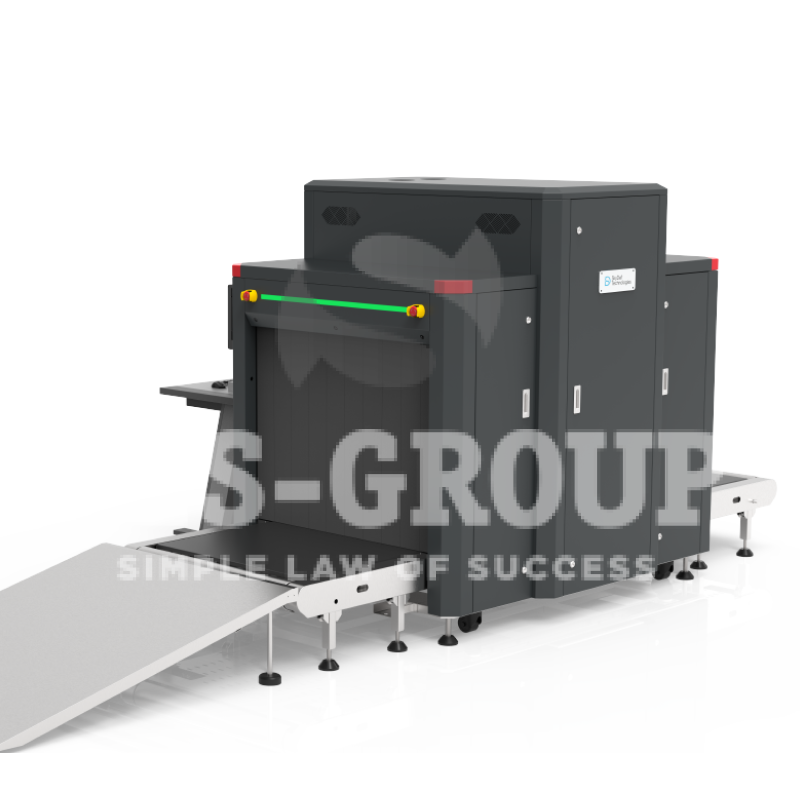
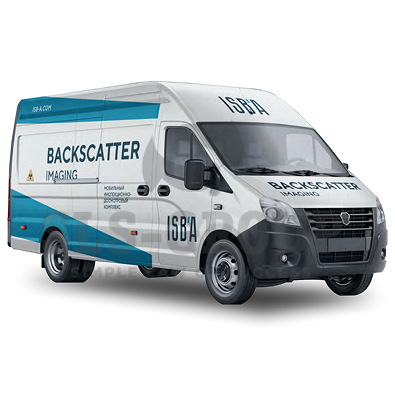
X-ray television installations– these are introscopes and other devices using x-ray radiation. The devices are used by customs authorities to inspect the contents of luggage, baggage, postal shipments, and small or medium-sized cargo. At the same time, they allow you to view the contents without opening the packaging. The technique uses x-rays, gamma scanning, and radiography. The operator receives data on the monitor, and he sees exactly what items are in the luggage. The devices automatically separate objects into organic and inorganic, highlighting them in different colors. Introscopes can bestationary, mobileorportable.
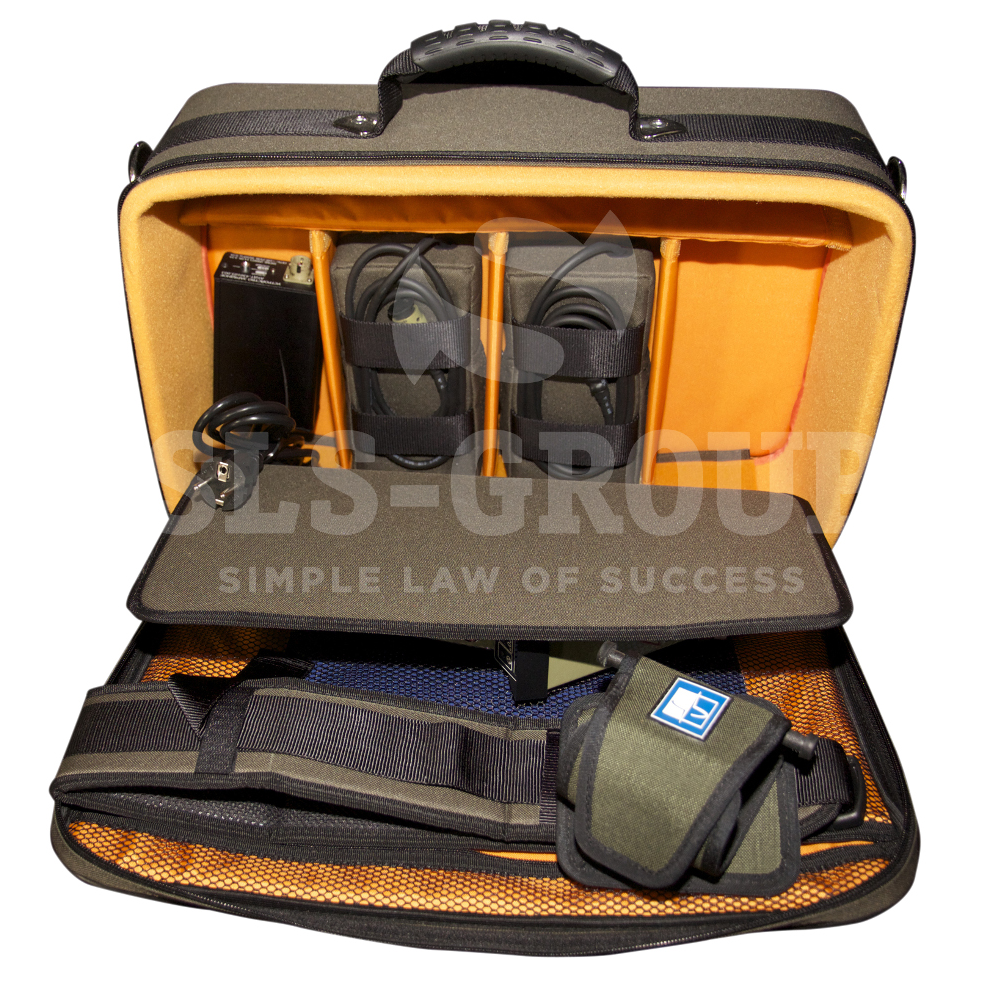
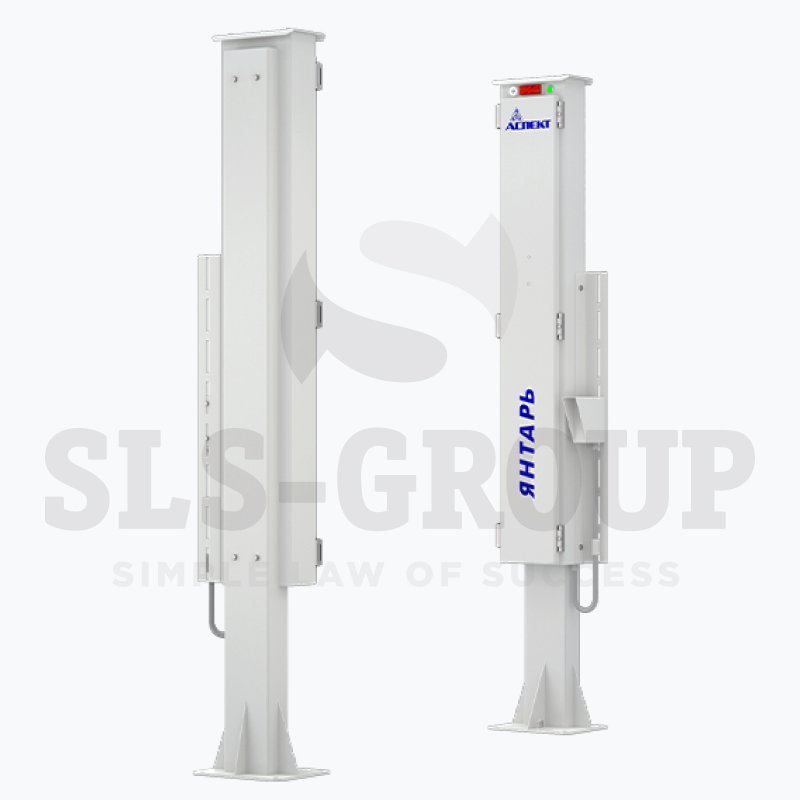
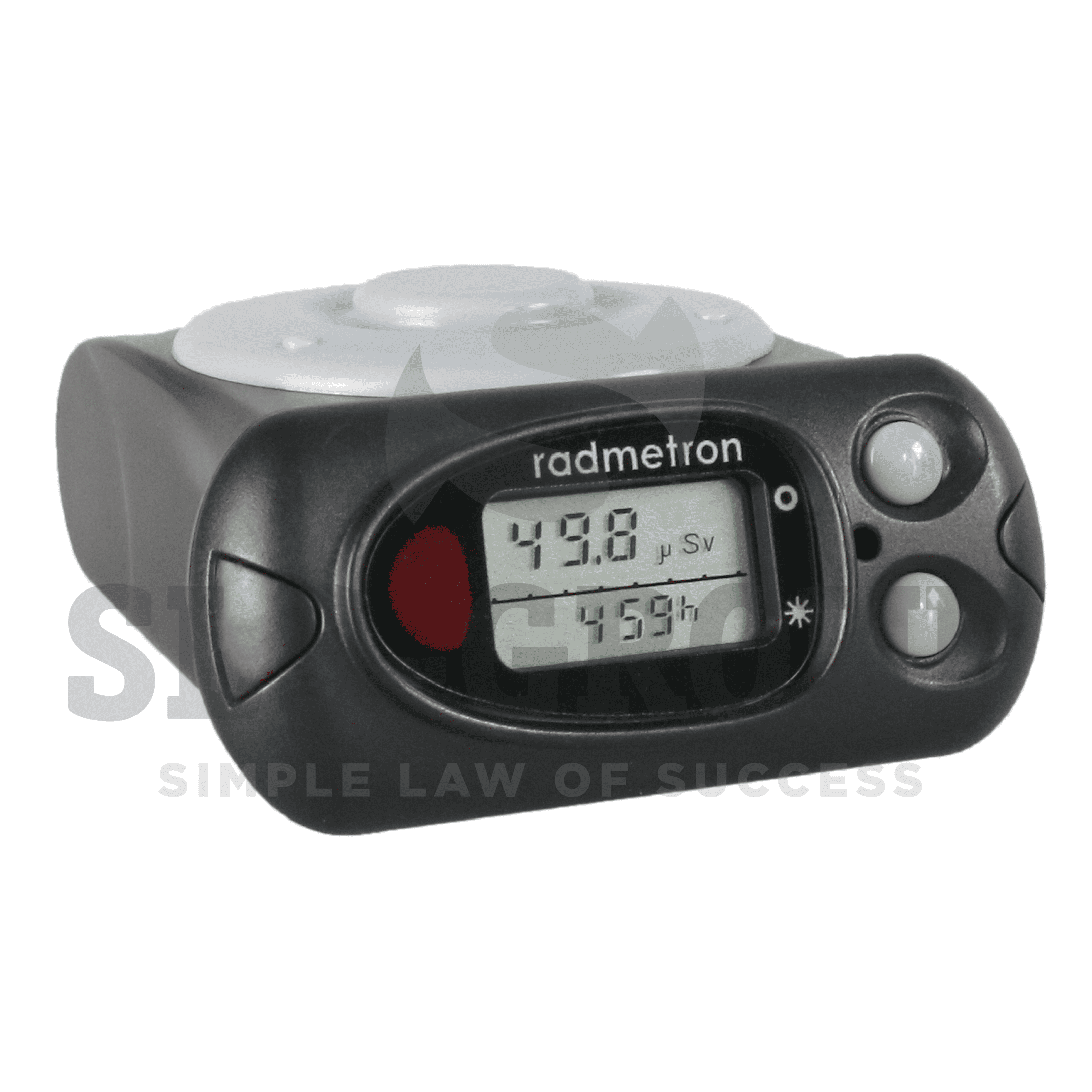
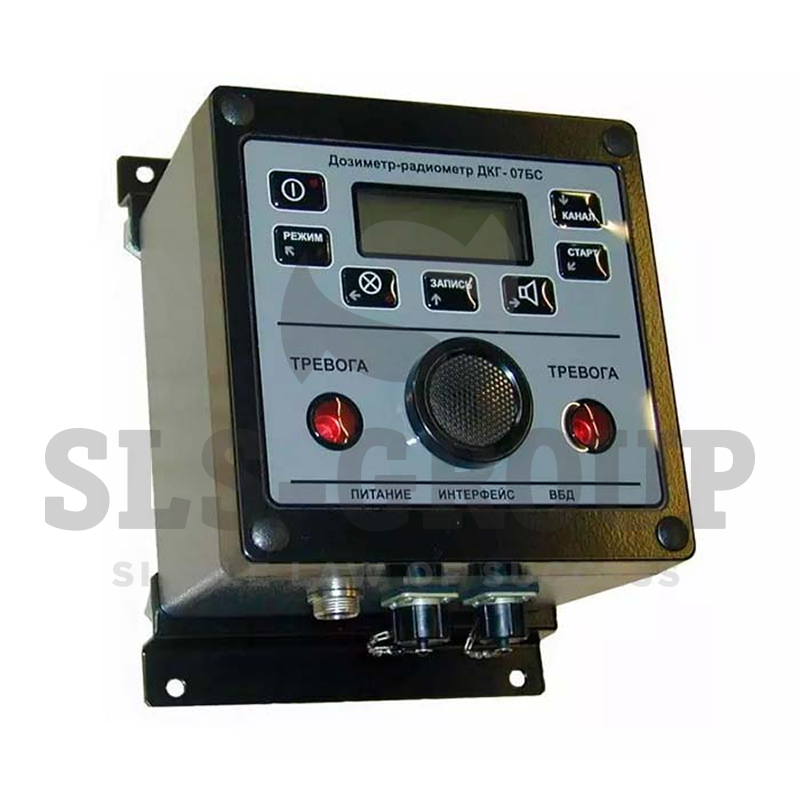
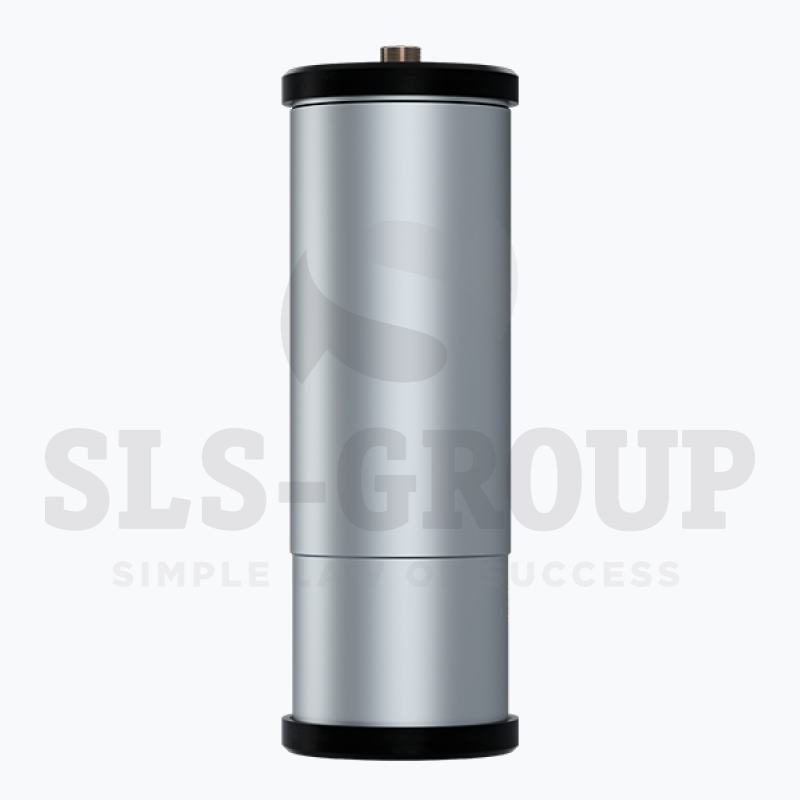
Radiation devicesused to detect radioactive substances that can be dangerous to people and the environment. This type of technical inspection means includesdosimeters, radiometersGeiger Counter,spectrometer. The devices are used in laboratory and field conditions.
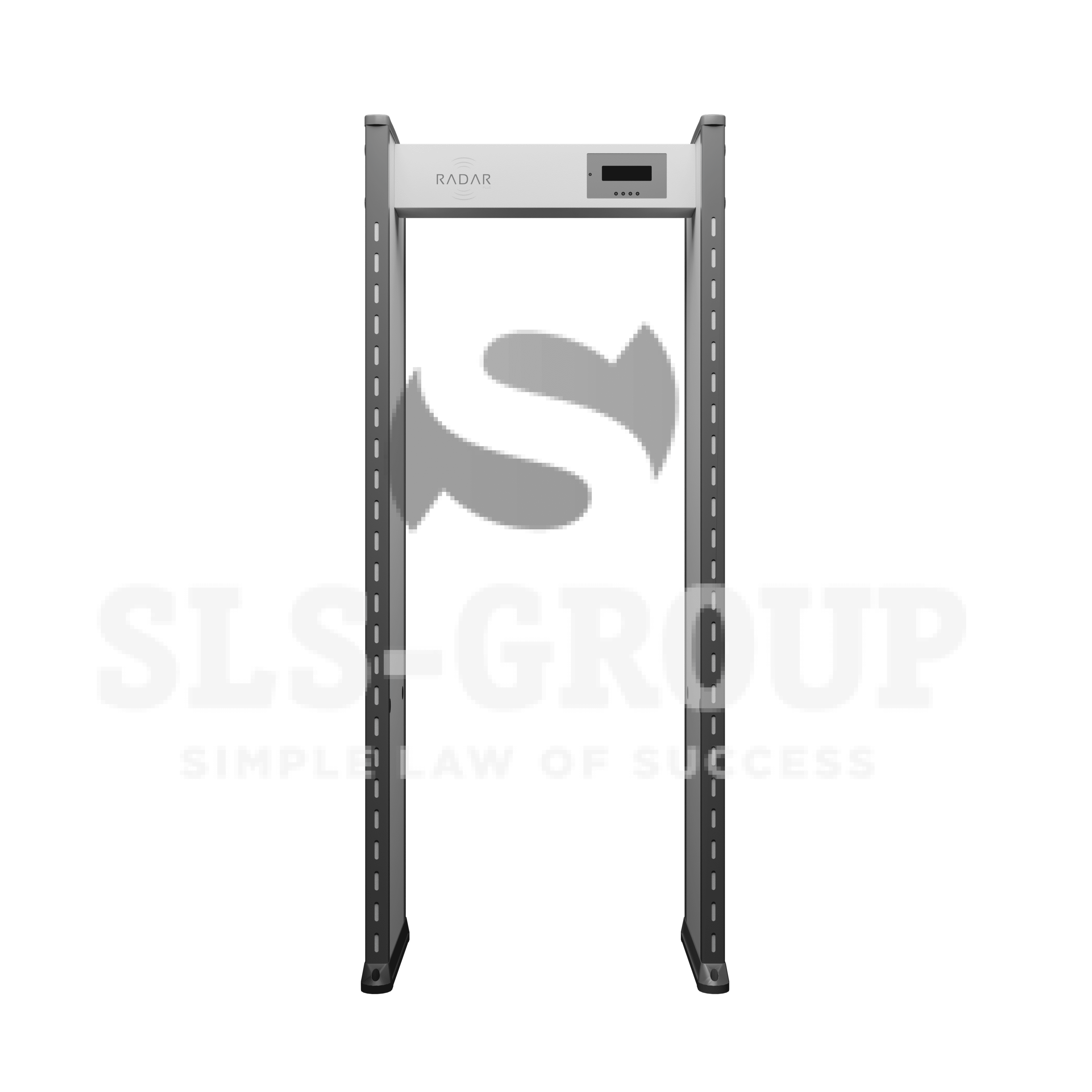
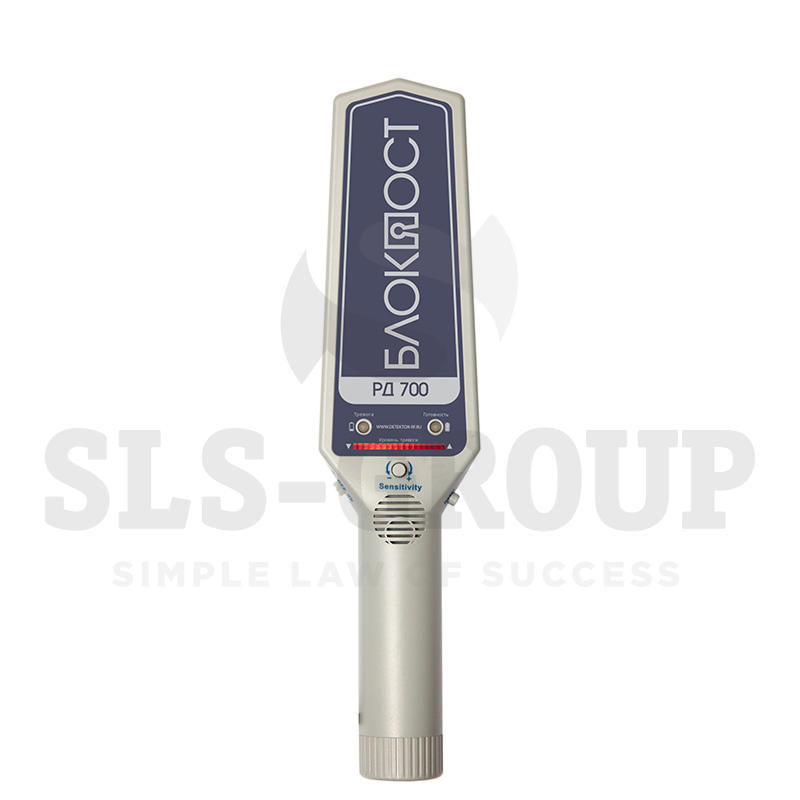
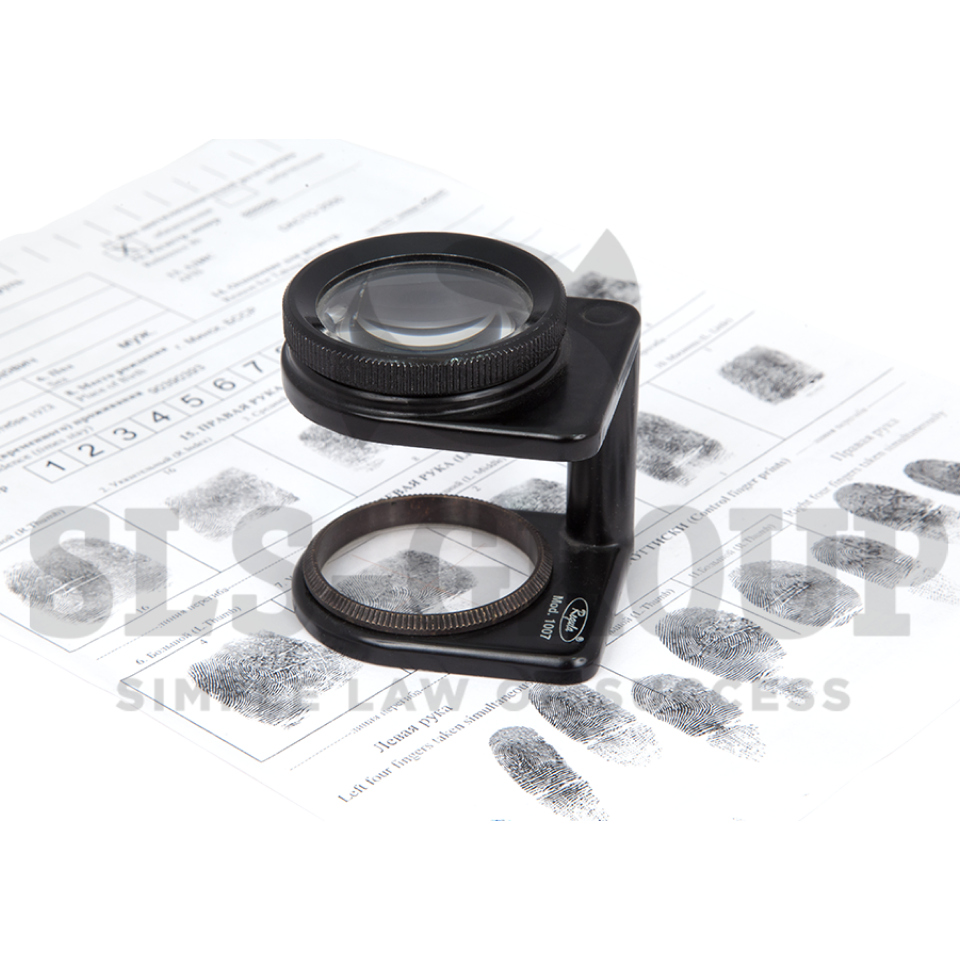
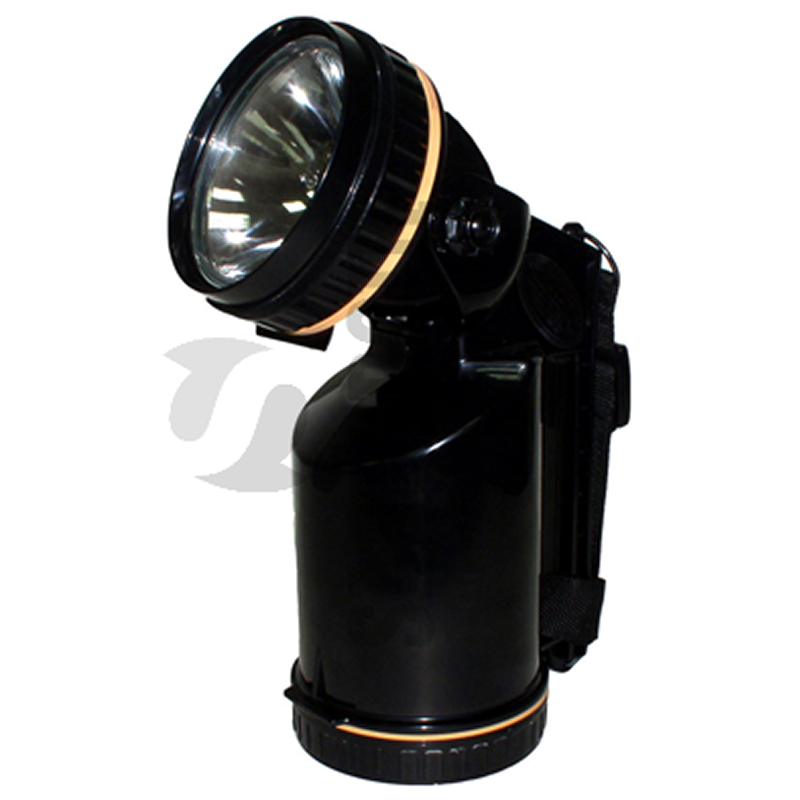
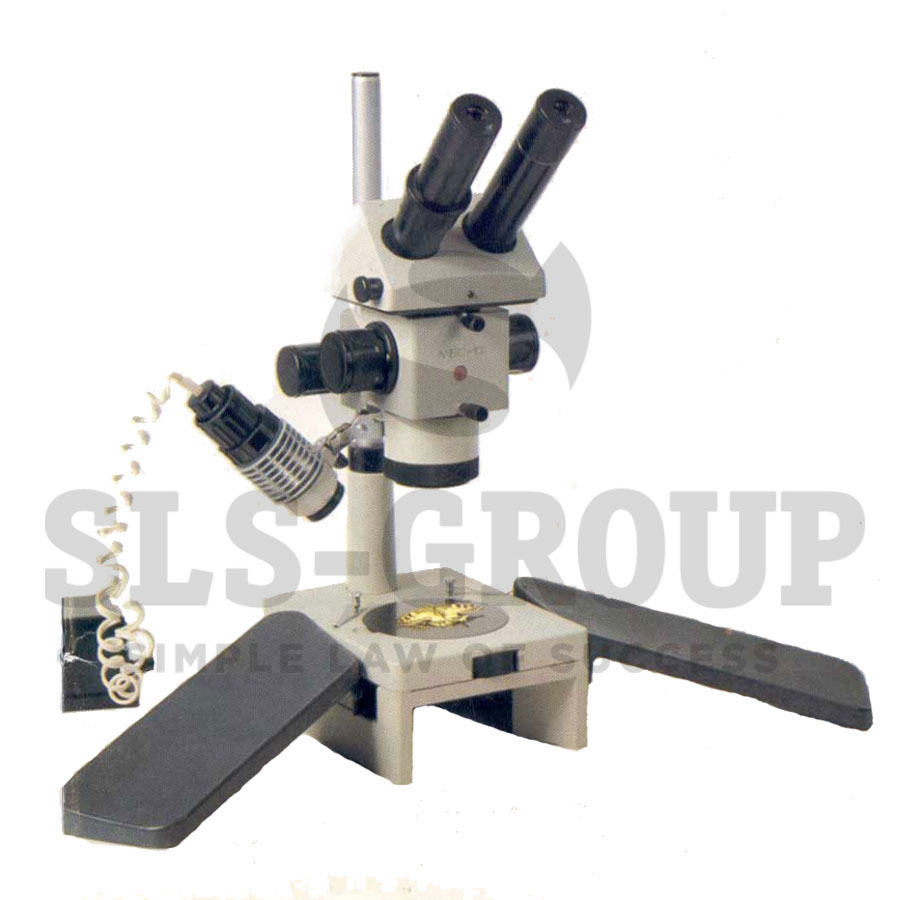
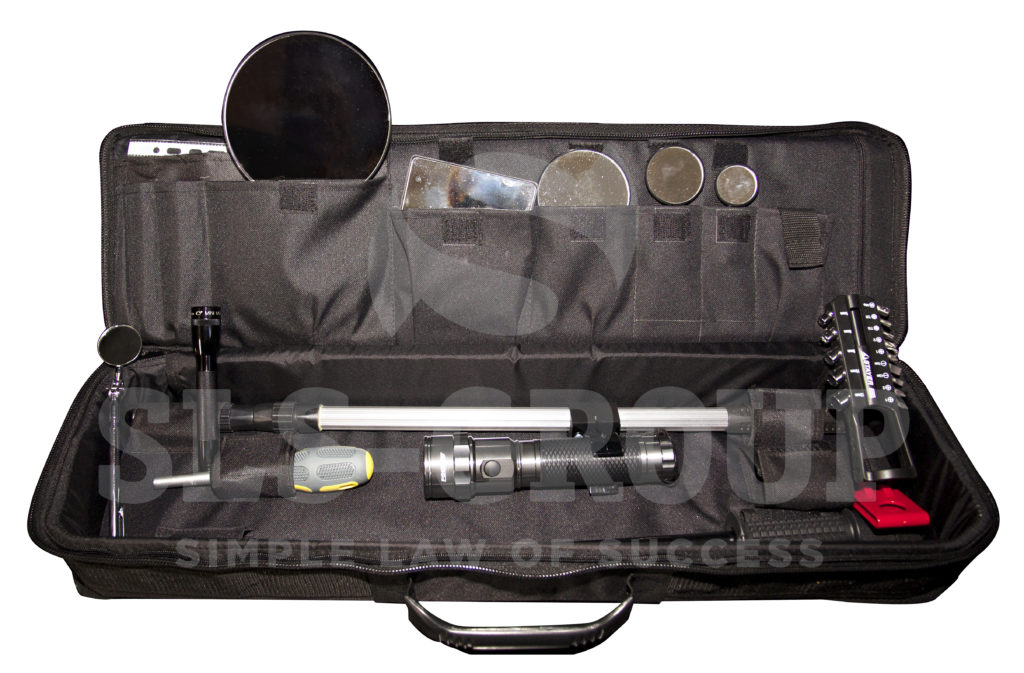
Search devices– the main customs facilities aremetal detectors, mirrors, probes, endoscopic devices, magnifying glasses, lanterns, micro- Andvideoscopes. Used to check luggage, hand luggage, parcels, belongings, small loads, and hard-to-reach places in transport.Metal detectorshelp to understand what metal is hidden in luggage and whether it poses a danger. They may bearched (stationary), manual, portable.
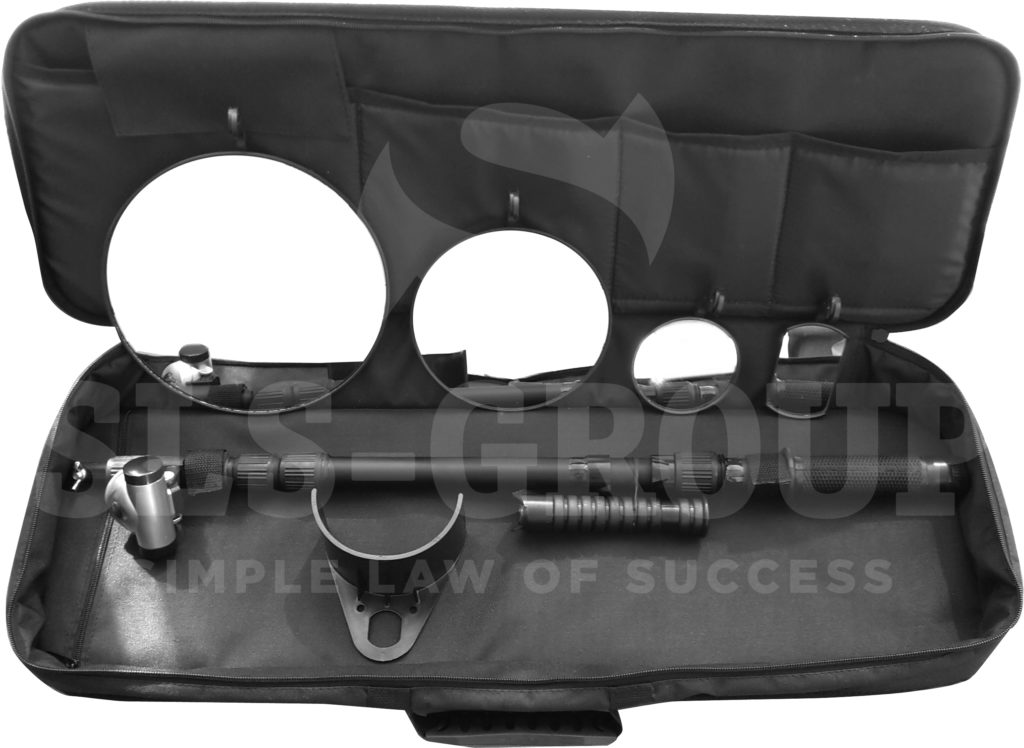
Inspection mirrorsThey are telescopic devices with a rigid or flexible handle. A mirror of round, rectangular, and square shape is mounted at the end. One set can include several mirrors. They are used to inspect the underbody of a car and remove objects from hard-to-reach areas.
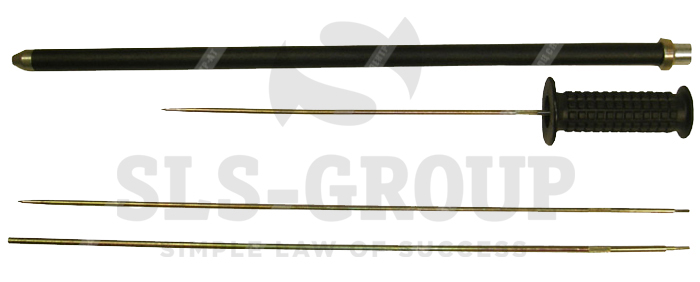
Inspection probes- These are long metal rods with or without a hole at the end. Used to take samples from cargo. Do not cause significant damage to the container. A small puncture is made to take a sample. Probes are used to check and take samples from vehicle seats, soft packaging, cardboard containers, and bulk cargo.
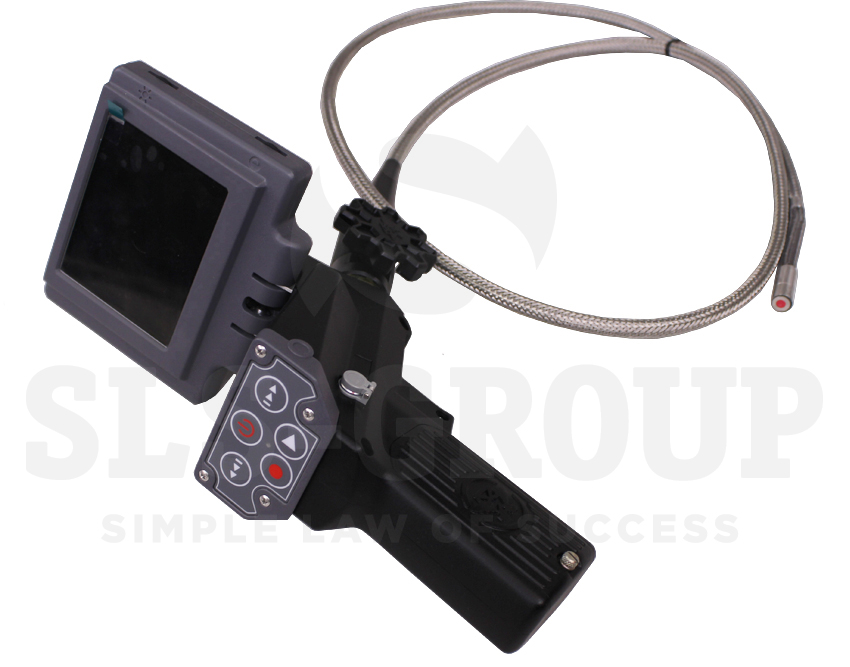
Endoscopes– optical equipment for checking hard-to-reach areas in vehicles or containers with liquids, including aggressive ones. Endoscopes can be rigid, flexible or semi-rigid. Rigid or baroscopes are a metal tube with built-in optics. There is also a light fiber running inside the tube. Can be of any length and diameter. Flexible or flescoscopes are made of fiber optics; they consist of two flexible luminous bundles. Semi-rigid inspection lights are also used to illuminate certain areas.
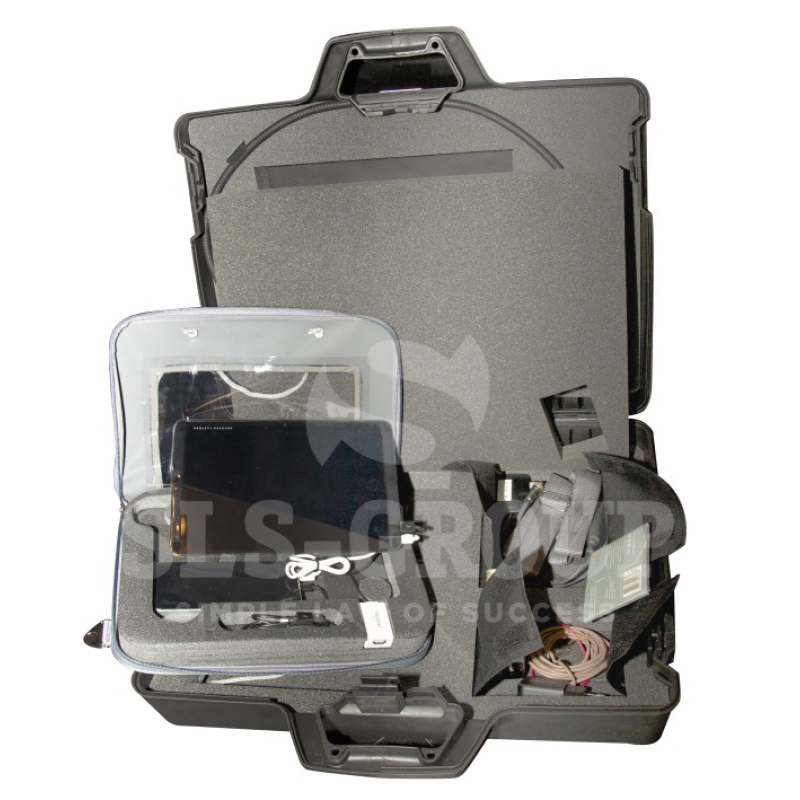
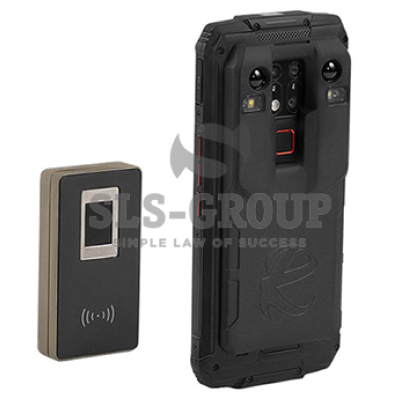
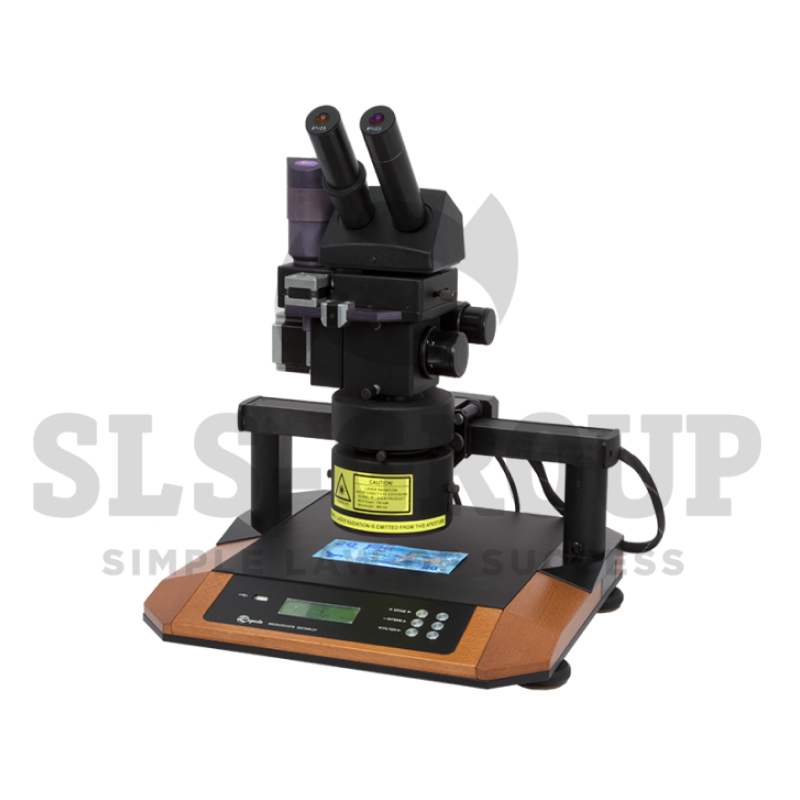
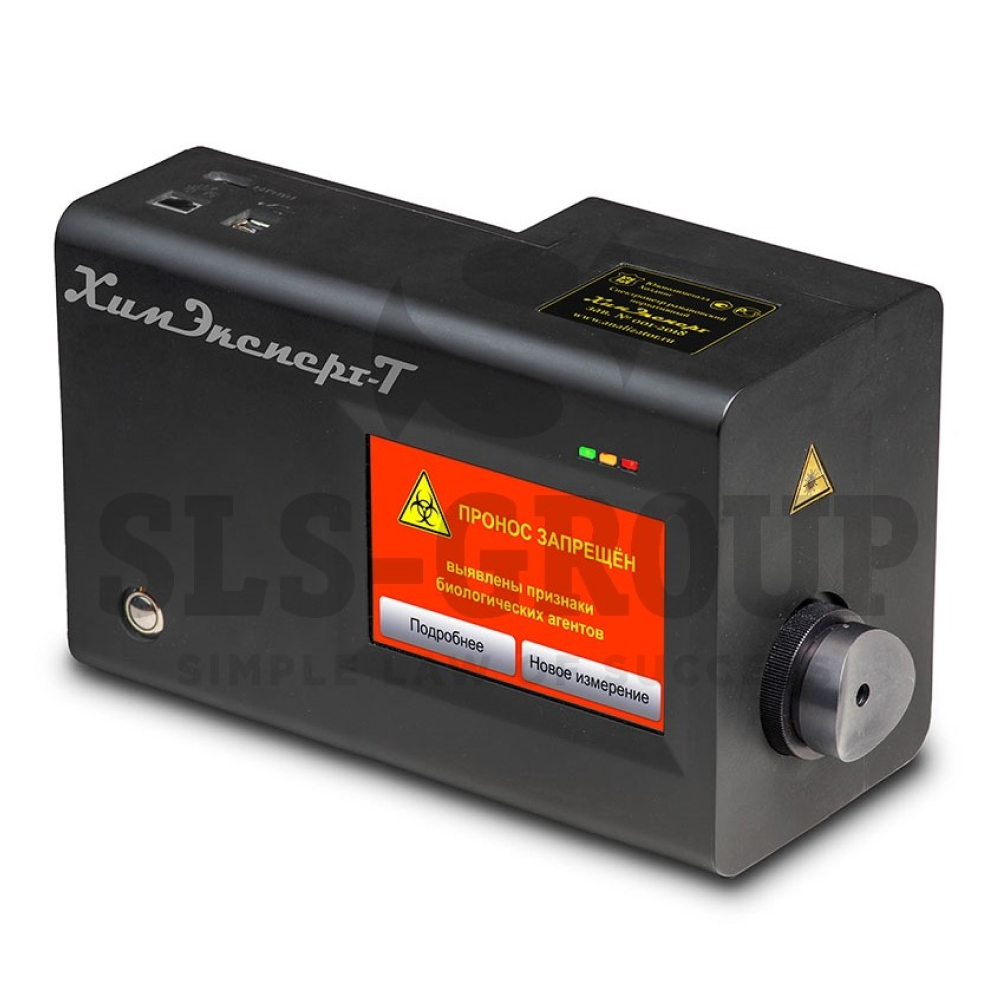
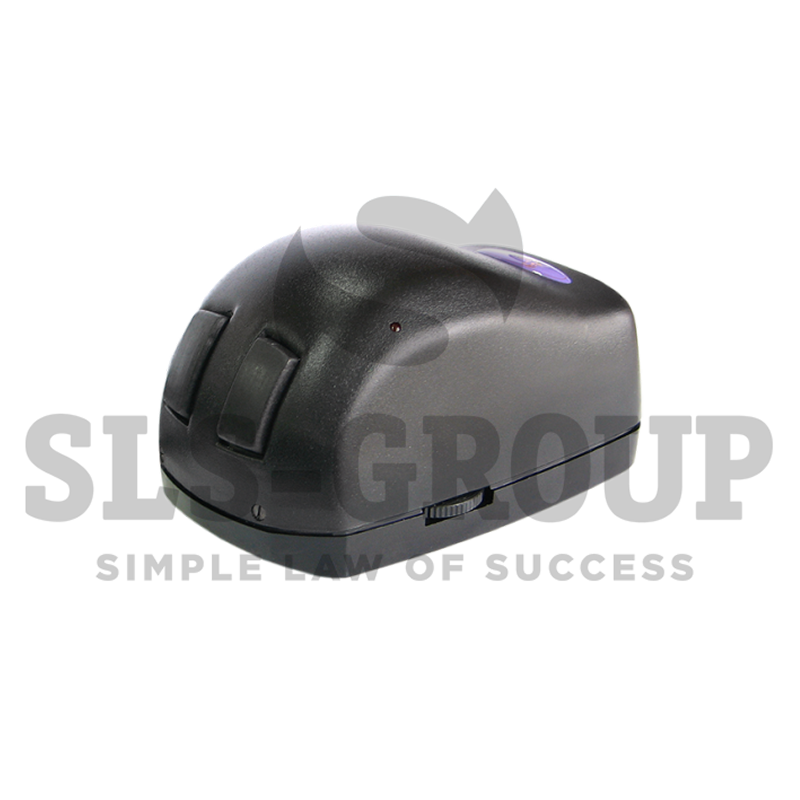
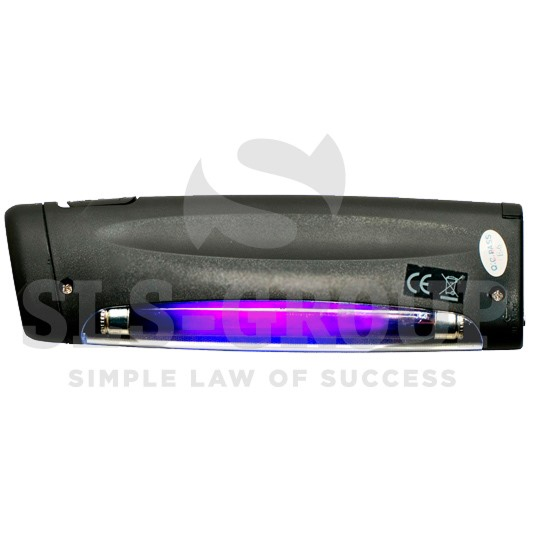
Technical means of identificationare intended for checking documents, securities, excise taxes, and paper money for authenticity. The category includesforensic magnifying glasses, microscopes, inspection, forensic complexes,analyzers, UV lights, analyzers for narcotic and explosive substances,scales.
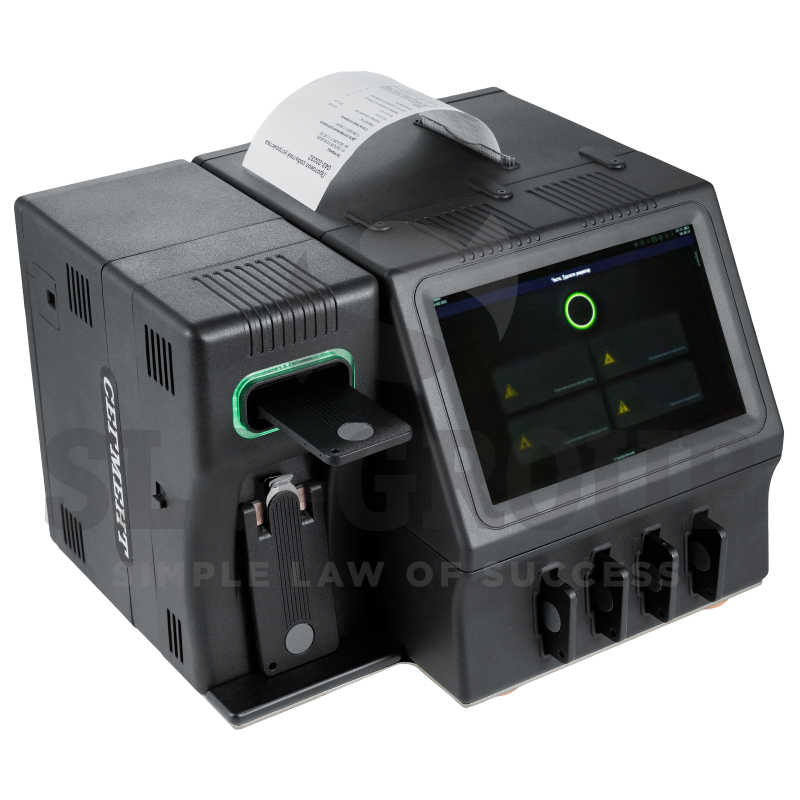
Technical means for logging and recording data. This includes photo and video cameras, audio systems, voice recorders, and demagnetizers. Used by investigative bodies to collect evidence. Provide audio and video recordings of testimony that can be used in the future to prove the commission of a crime.
Visual analysis tools are optical instruments, binoculars, magnifying glasses, stereo tubes, surveillance television systems, and night vision devices. They are used by customs officers to monitor objects and monitor the operational situation.
Technical means of communication - radio communications, automotive equipment, ultra-short wave devices, walkie-talkies. The equipment can be stationary or portable. Used for prompt communication between employees, quick transfer of important information, and management of the customs control process. The complexes operate on a separate frequency, allocated specifically for customs authorities.
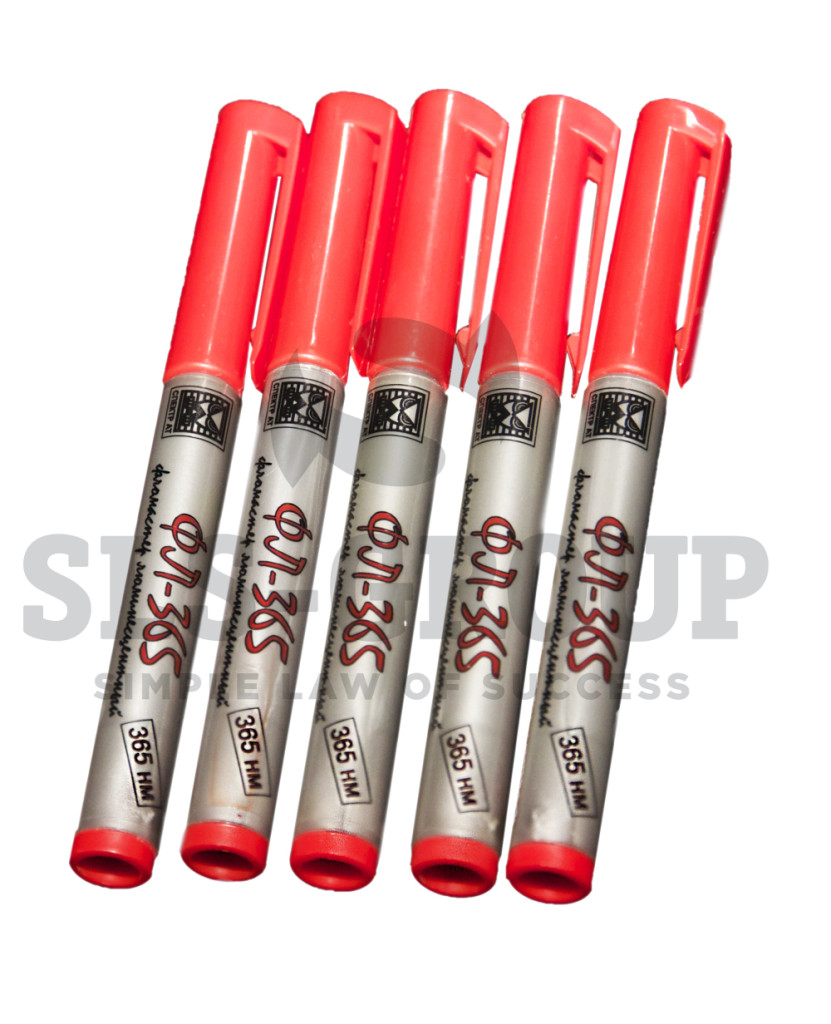
Sealing and sealing means are used by customs officers to prevent unauthorized opening of suspicious wagons, containers, vehicles, and cargo. This includesfluorescent markers, sealers, seals, excise stamps, locking mechanisms. Sealing is carried out to await the arrival of specialists for a detailed inspection.
Authorized persons
To carry out customs control, not only service employees, but also third-party specialists can be involved. In addition, witnesses may be required if it is necessary to record criminal actions. Specialists who are additionally involved in the inspection cannot be interested in the progress of the case. These are independent experts who have special knowledge and skills. Third-party specialists are involved on a contractual basis.
Third-party specialists have the right:
- familiarize yourself with the materials of the case, which is directly related to the ongoing inspection, where he is invited as an expert;
- get acquainted with the documents that are drawn up during the inspection with his participation, protest the recorded data if he does not agree with them, make corrections or significant changes.
A specialist participates in the verification procedure if he has the authority to do so, as well as special knowledge, he can use all classes of technical means of customs control. He can give his comments, express his assumptions or professional opinion on the results. At the end of the inspection, a document is drawn up, which the specialist must also sign, confirming that everything is recorded correctly.
If the information is not subject to dissemination or constitutes a state or commercial secret, he signs a corresponding document on non-disclosure of information before the start of the procedure. In this case, he does not have the right to transfer information to anyone, nor use it for other purposes.
Hiring a third-party specialist always involves additional costs. These costs are borne by the person in respect of whom the inspection was carried out if violations were identified and inviting a specialist was advisable.
If no violations were identified during the inspection, the costs are borne by the customs control service, namely the state.