


How the metal detector works
Page navigation:
To quickly detect metal objects that may pose a danger, use metal detector frames. These are high-tech devices that identify metals, give a signal about the carrying of prohibited metal objects, and make it possible to stop offenses in a timely manner. The devices are used for security in government areas, buildings, and crowded places. Let's look at how a metal detector works, what types there are and what their differences are.
Table of contents:
- device design;
- hand-held detectors;
- arched metal detectors;
- use of metal detectors.
Design features
Metal detectorsthere may bearchedormanual, but the principle of operation, which means their basic elements are similar. The main part is a sensor that generates an electromagnetic field. The device may have one or two inductance coils; they transmit electromagnetic waves to the sensor, create an inductive vortex flow, which leads to the formation of an oncoming electromagnetic field.
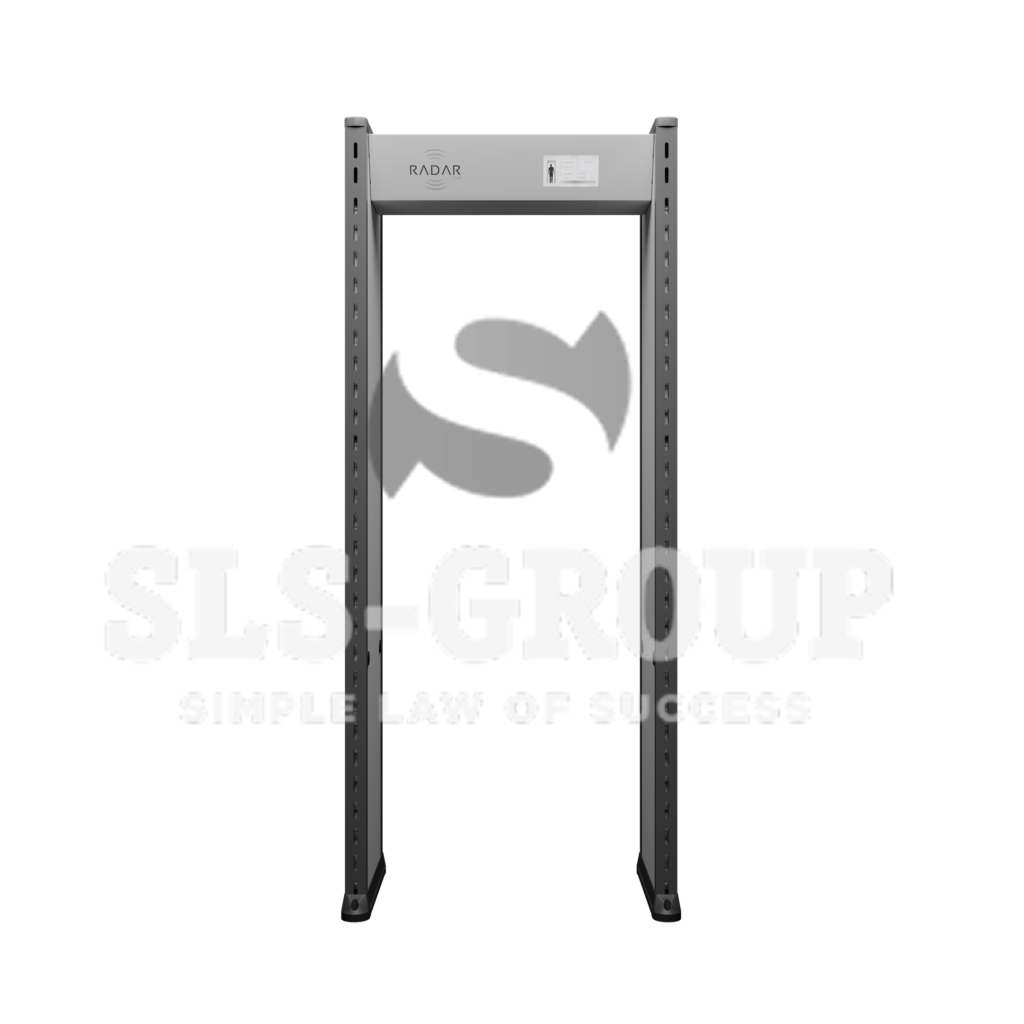
When a metal object is carried past, the eddy induction current changes, a counter electromagnetic field is not formed, the sensor is triggered and produces a signal that tells the operator about a violation.
Precision instruments rarely make mistakes; most often, shortcomings in operation are associated with incorrect settings. The devices have several options for setting sensitivity and selectivity; the parameters are selected by the operator.
Selectivity and sensitivity depend on the type of detector, model, and functionality. In the basic configuration, simple models react to ferrous and non-ferrous metals, but how they do this is decided by calibration. If the operator sets the wrong parameters, the metal detector will miss most objects. The specialist may neglect the acceptable size settings or specify a range that is too large or small.
A common mistake that leads to the carrying of prohibited items is to set the device to a certain type of metal. This way, operators reduce the number of false alarms, but this leads to poor-quality inspection.
Handheld detectors
Typically, arch detectors are installed at the entrance to rear or enclosed areas with a high throughput of up to 40-60 people per minute. If during the inspection the operator has doubts or suspicions about the carrying of prohibited metal objects, he conducts a personal inspection with a hand-held metal detector.
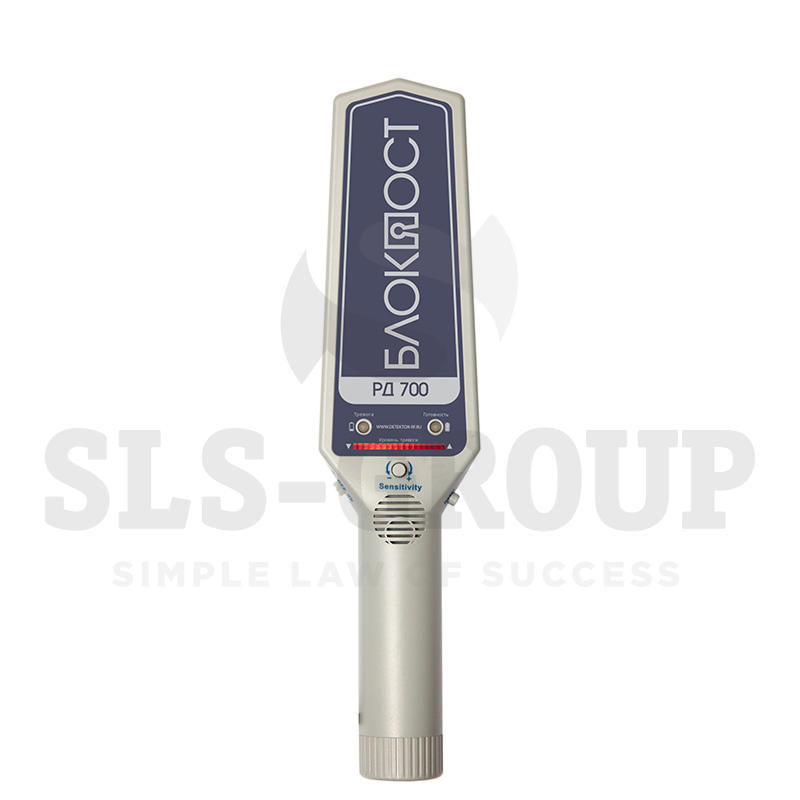
Hand detectorThey are also used when holding public events in open spaces, when it is not possible to install an arch. Compact devices are convenient to carry, they take up little space, and are equipped with a handle holder. Clear instructions and automatic settings make working with the device easier.
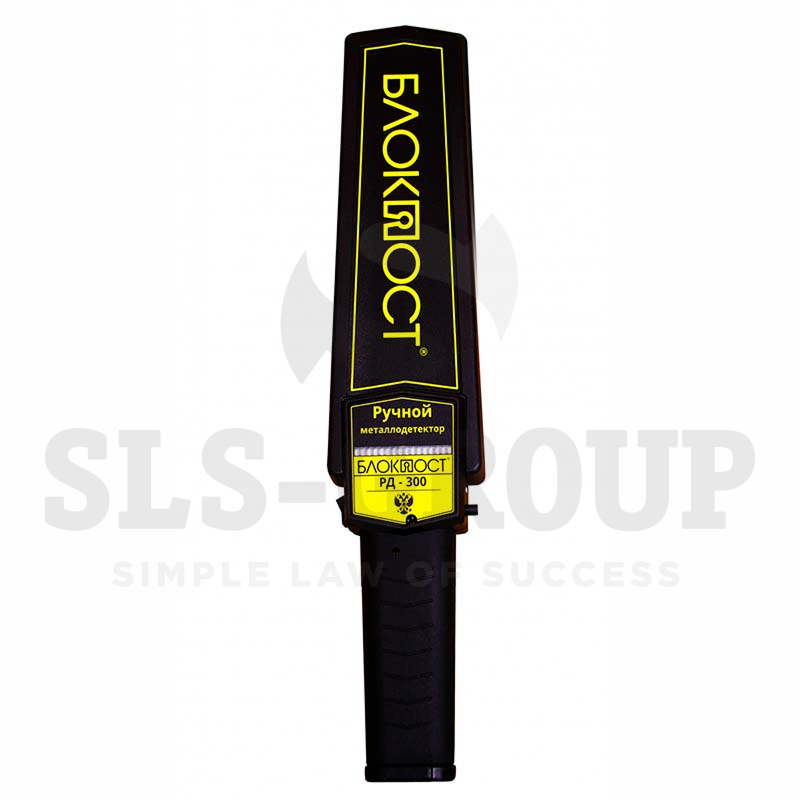
The principle of a manual metal detector is the same as that of arched ones. They pick up metal vibrations using an electromagnetic field. They operate at the same frequency, there is one detection zone. They are used as additional verification tools if accurate identification cannot be made through an arch metal detector. The devices operate from a built-in battery.
When a metal object is detected, the device emits a signal. The device does not need to be brought close to a person; it can detect metal at a distance of up to 30 cm.
Sensitivity depends on the model and price. You can always adjust it manually or select automatic settings. The battery life of the metal detector depends on the size of the built-in battery.
Arch metal detectors
The largest group. They are popular because they are characterized by accuracy, efficiency, and convenience. The check is carried out “on the go”; there is no need to slow down the flow of people or baggage acceptance. The throughput is 40-60 people per minute. A person can walk through the arch at a normal pace without stopping or slowing down.
Arch detectorsThey work on the principle of receiving and transmitting impulses. On both sides of the arch, coils that generate radio waves are hidden in the panels. They transmit a signal continuously to each other through the empty space of the arch. The radio signal is transmitted from one arch panel to another, reflected and sent back. If metal gets in the way, the signal does not go back, the sensor is triggered in this place.
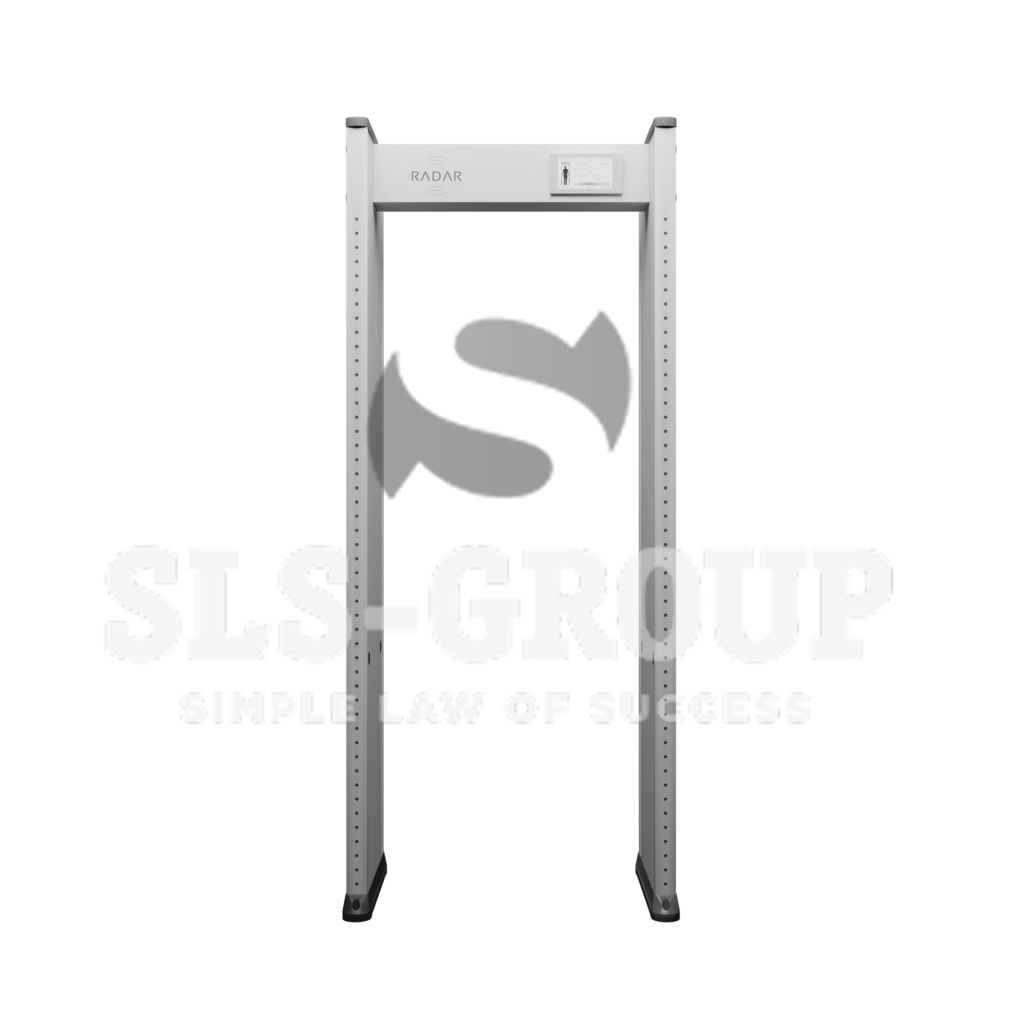
When a person passes through the arch, he cannot be an obstacle to the transmission of an impulse between the coils, but the metal blocks the signal, which triggers the light and sound indicators. The device analyzes the primary and secondary signals, the data is quickly processed by the built-in processor, and the result is sent to the operator on the monitor.
Devices can be passive or active. A passive metal detector detects objects made of ferrous metals, while an active metal detector detects non-ferrous ones. There are universal models that detect non-ferrous and ferrous metals. For ferrous metals, the pulse phase shift can be positive and negative, while for non-ferrous metals it is only negative. The metal detector relies on these characteristics to interpret the results.
The operating principle of the metal detector frame and sensitivity depends on the model. Inexpensive ones have no sensitivity, so they do not always react to metal. The more expensive the model, the higher the sensitivity. Many models have the option of switching the sensitivity mode, which is convenient if several devices are working in one place at once, there is a risk of false alarms due to interference. Sensitivity is adjusted by mass. The device operates from a stationary power supply.
Metal detector function
Metal detectorsinstalled in open or closed spaces to check people. The goal is to prevent prohibited, dangerous metal objects from being brought into the territory. Devices can also be found in enterprises to prevent theft, especially if the company produces products from valuable metals.
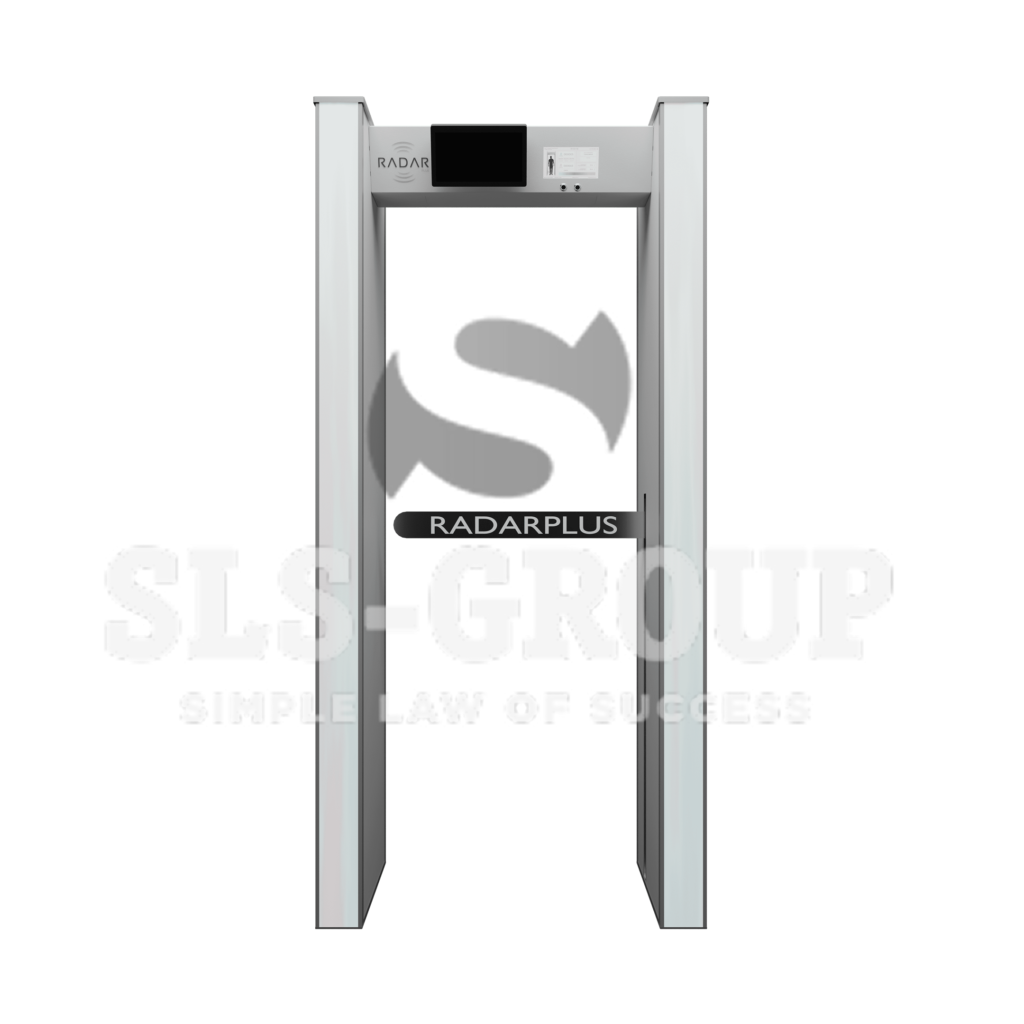
Arched metal detectors are installed in public areas:
- shopping centers;
- entertainment complexes;
- supermarkets;
- nightclubs;
- train stations;
- airports;
- office buildings;
- banks, financial institutions;
- educational, medical centers.
The operation of an arched metal detector is justified and necessary in public places, because safety is a key point. In stadiums, inschools, universities, museums, theaters and cinemas need to be sure of the safety of people. Metal detectors are used to protect against intruders who might bring weapons or other dangerous metal objects into the building. You can order arched or stationary detectors from SLS-Group LLC. Choose the best.