

Equipping railway stations with security systems
Page navigation:
Types of metal detectors
Operating principle of an arched metal detector
Purpose of a hand-held detector
Railroads are used for passenger and freight transportation. When developing safety measures, much attention is paid to railway safety systems. This is a whole set of measures, the task of which is to prevent the appearance of dangerous objects on a passenger or freight train - weapons,explosives, ammunition.
Stations use different security systems, which include security and inspection systems. The main security tool ismetal detectors. They are most often located at train stationsarched metal detectors– the frames through which people pass at the entrance. They catch any dangerous metal objects that may even be hidden in the thickness of clothing or on the body. When dangerous objects are brought in, sound and light signals are triggered, warning the operator of the need to conduct a detailed inspection.
Types of metal detectors
Metal detectors can be of two types:
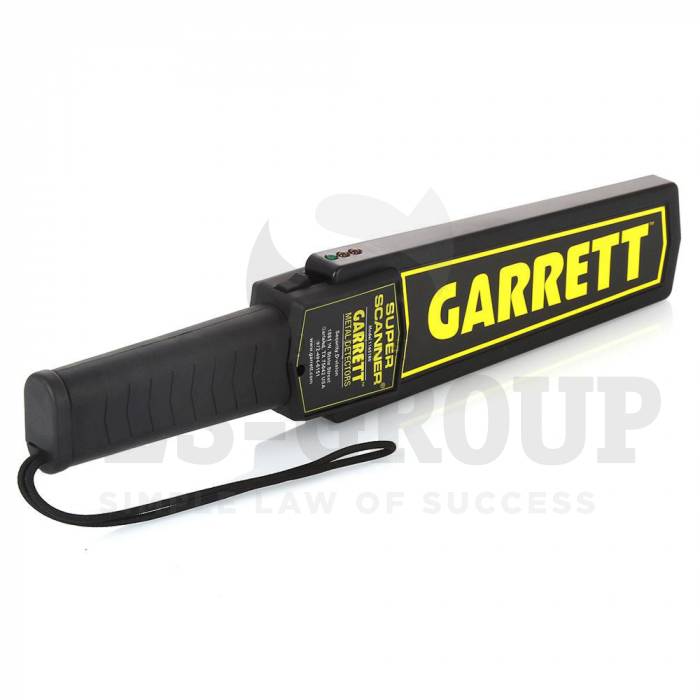
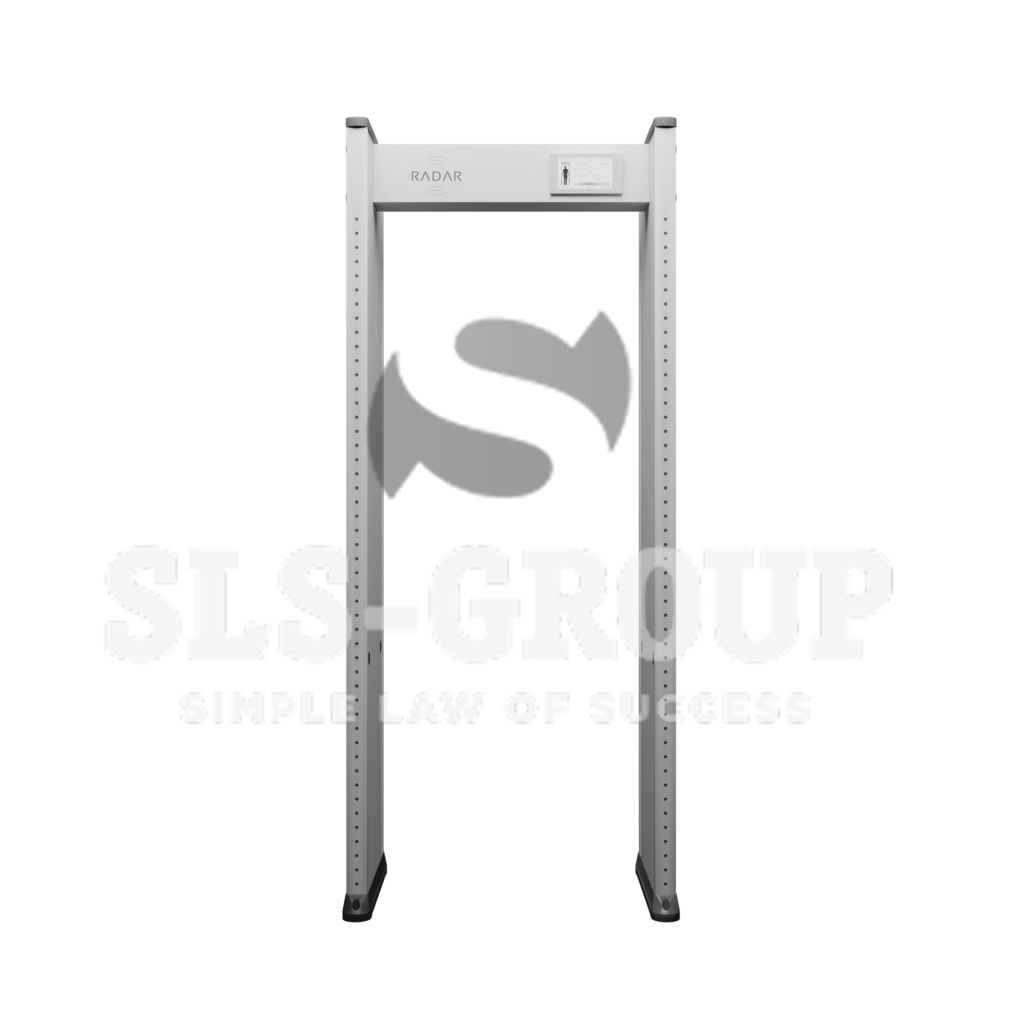
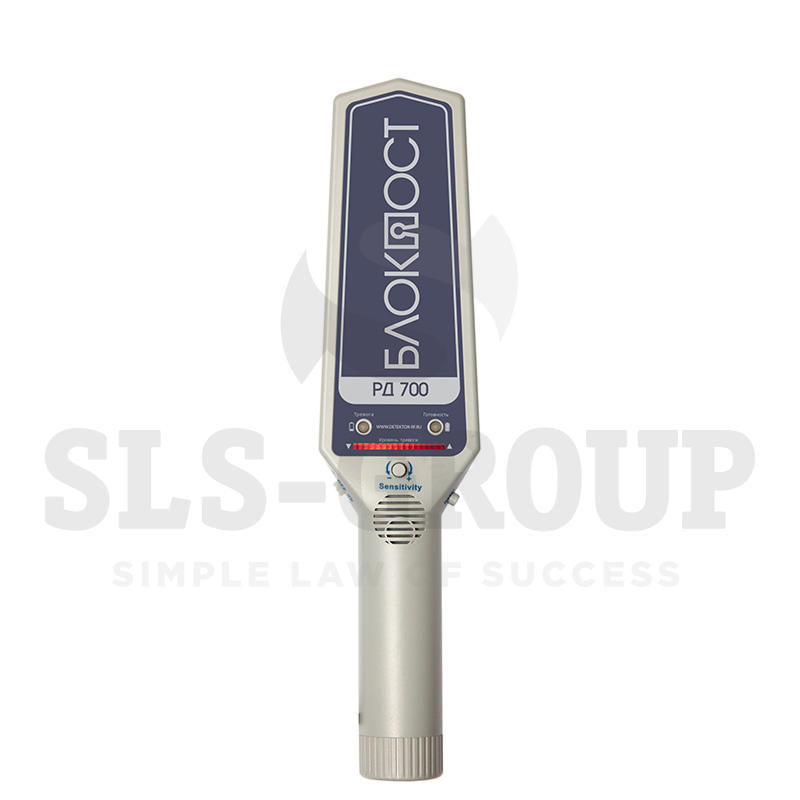
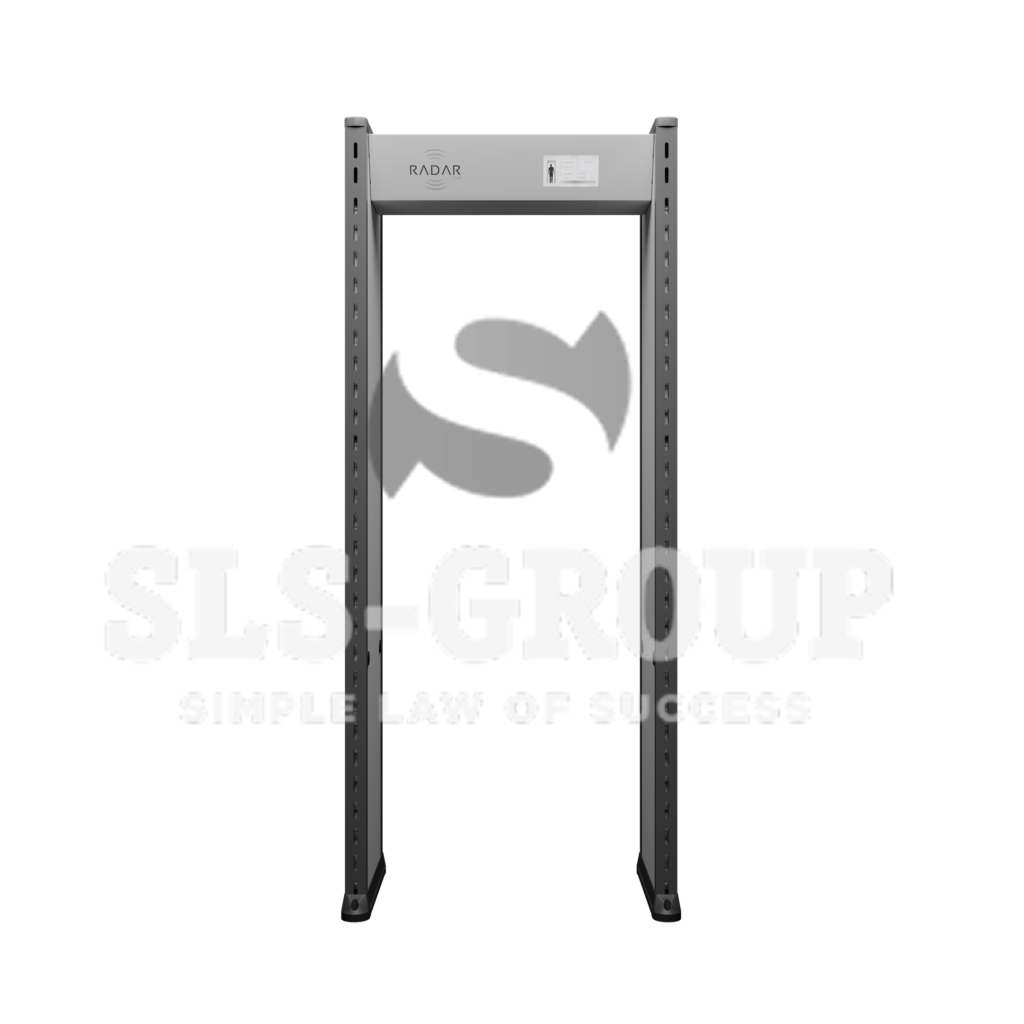
Ontrain stations, metro stations, in other large institutions and crowded places they installarched metal detectors. People pass through the frame, and there is no need to stop the flow. If a person has a prohibited item, alarms go off.Handheld metal detectorsused for detailed inspection when you need to accurately detect a metal object hidden in luggage or on a person.
All typesmetal detectorswork according to the same principle. The differences between them are only in the degree of sensitivity. The level of sensitivity depends on the model and the number of sensors built into the frame.
If a security officer has doubts when a person passes through the frame, he can invite him to a personal search.
Operating principle of an arched metal detector
Arch metal detectordesigned to search for dangerous metal objects, including weapons and ammunition. The multi-zone detector is capable of finding objects that are hidden under things.
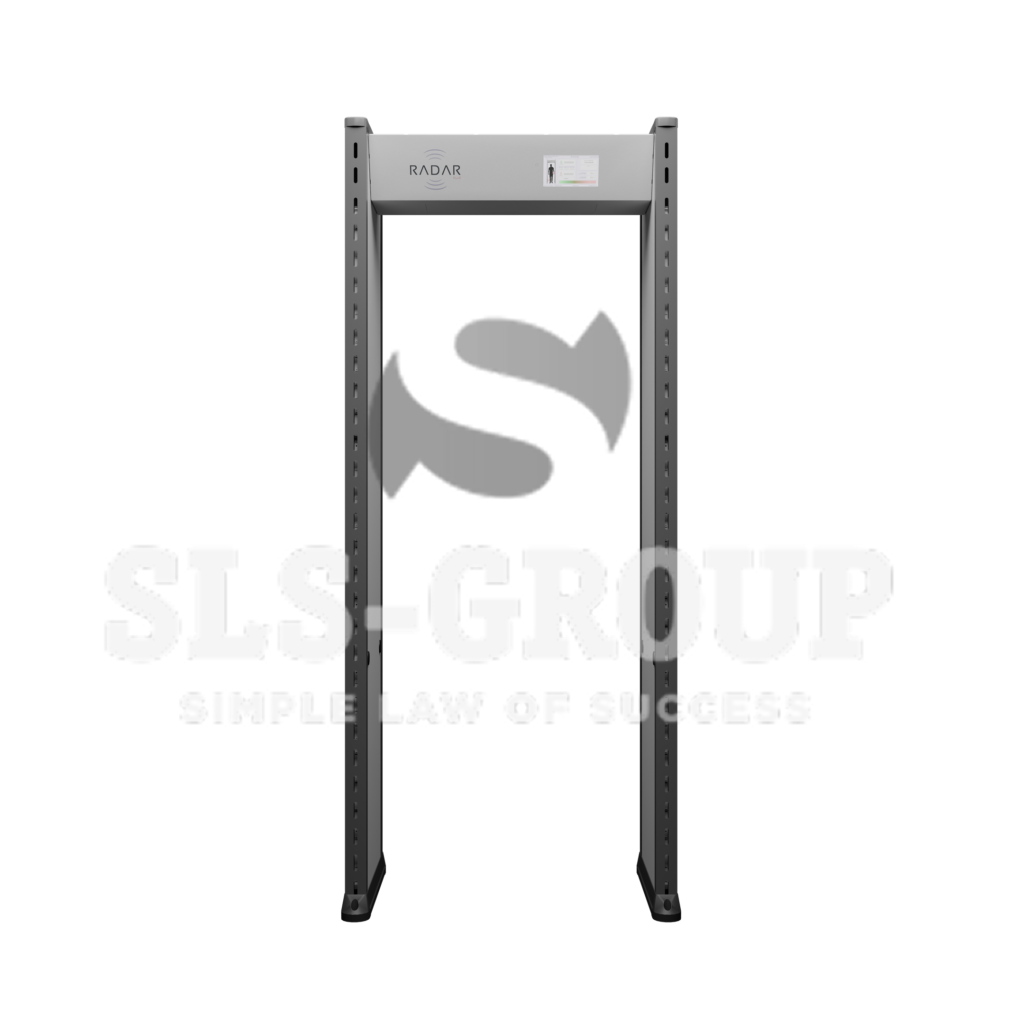
The operating principle of the device is based on changing a low frequency magnetic field. The electromagnetic field is generated in the sensor using coils located inside the panels. Electromagnetic pulse transmitters are sewn inside the frame on both sides. They come out from one side of the frame, cross the space and push off from the second frame, returning back. When an obstacle in the form of metal appears on the way, the electromagnetic pulses cannot return, which leads to the alarm being triggered in a certain area.
Several arched metal detectors can be installed in one room. The arch has high noise immunity, so false alarms on mobile phones or other electrical appliances are excluded.
Frame detectors have two operating modes:
- continuous – sensors work continuously, allowing you to inspect a large flow of people;
- discrete - it is triggered only when a person passes through the arch, at other times it is in sleep mode.
Detectors at a train station may besingle-zoneormulti-zone. Single-zone ones are considered less accurate because they do not show where the metal object is hidden. When the signal is triggered, the security officer conducts an additional manual search.
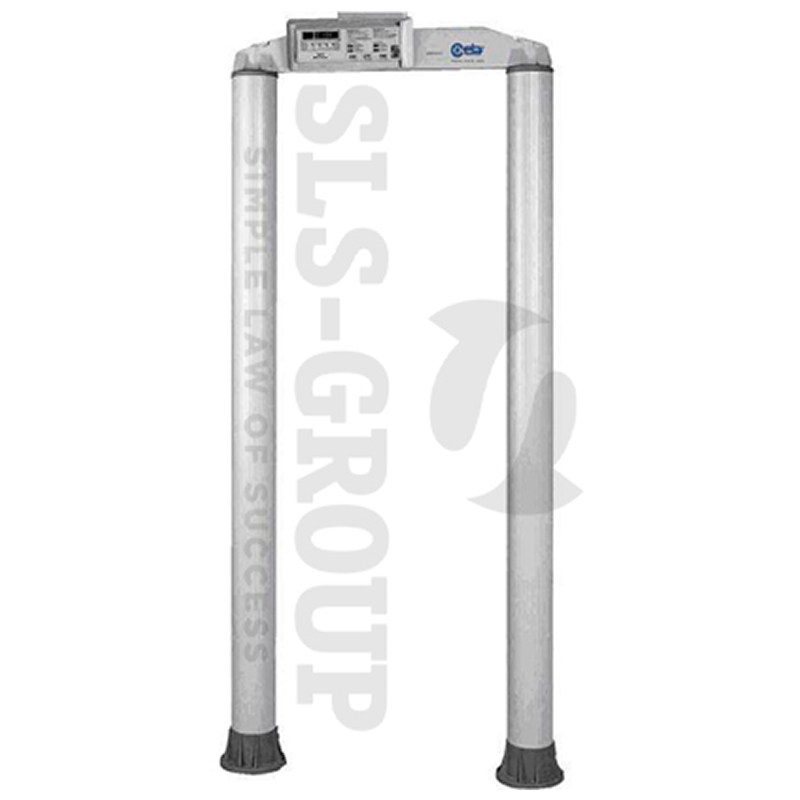
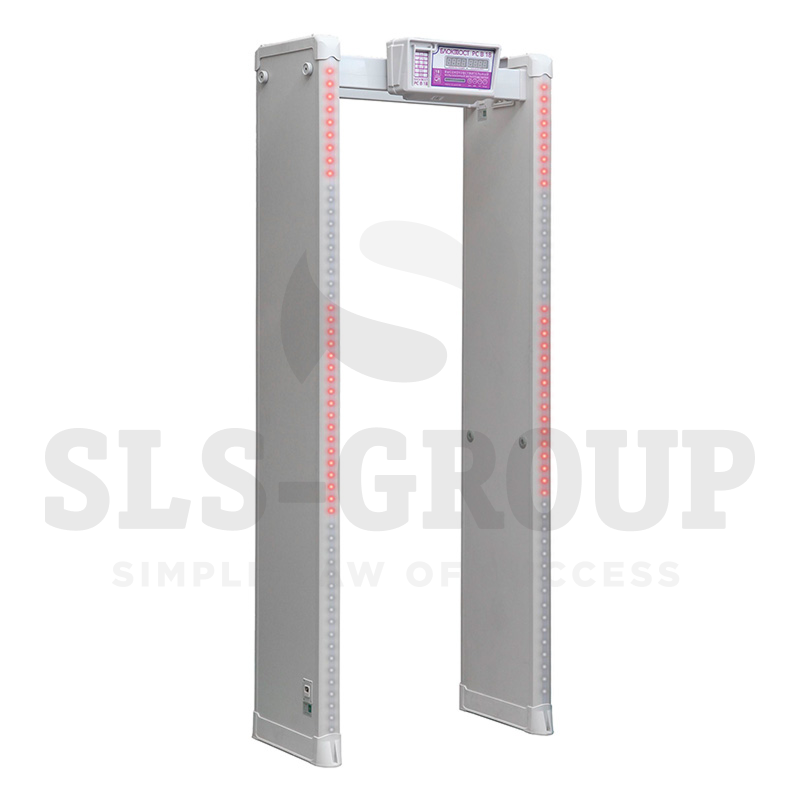
Multi-zone detectors immediately show the operator where exactly the metal is hidden on the human body. When passing through the frame, a sound and light signal is triggered. An audible alarm notifies the operator that a metal object has been detected, and light indicators show in which zone it is located.
Purpose of a hand-held detector
Handheld metal detectorsThey are compact devices with a built-in microprocessor. They are convenient because they take up very little space, weigh little, do not require lengthy setup, and are easy to operate.
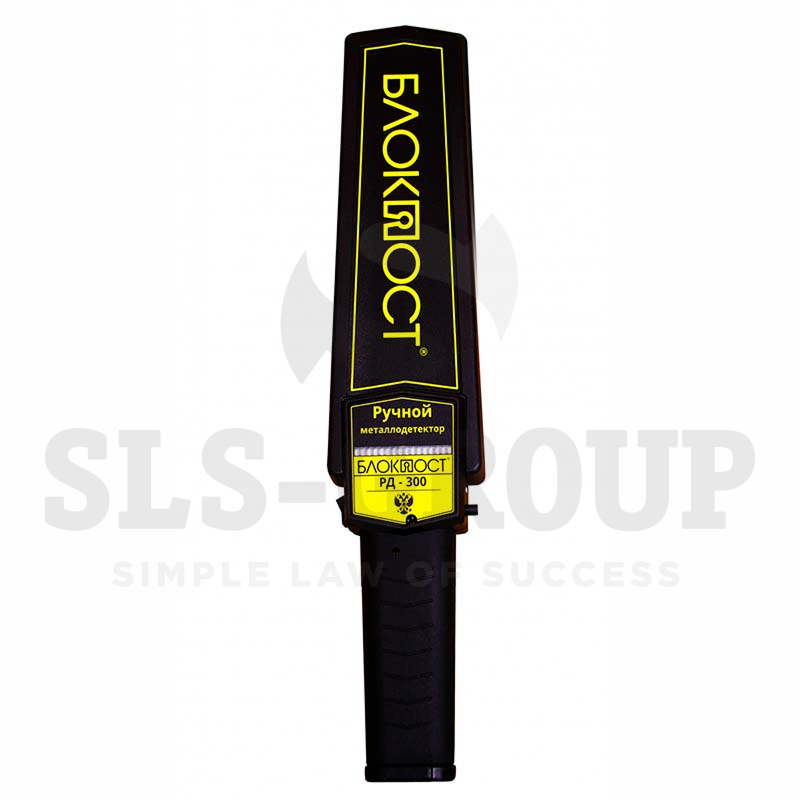
Portable metal detectors are powered by a built-in battery. There are models with a built-in display that displays data about a prohibited item.
Most models react to non-ferrous and ferrous metals. When a metal object is detected, light and sound signals are triggered. By color and tone, the operator can determine what exactly is hidden in things or under a person’s clothes.
Hand-held metal detectors have several sensitivity levels; parameters can be adjusted manually or set to automatic mode.
Modern metal detectorsaccurately determine the presence of a metal object in a person. They react perfectly to metal, showing quite accurately where exactly to look for it. But the metal detector cannot work independently; an operator must monitor its operation in order to respond to the signal in time and identify the intruder.