

Types of dosimeters
Page navigation:
What is a dosimeter for?
Classification by functionality
Radiation sensors and their types
Choice
To measure radiation levels usedosimetric instruments. These are meters that detect radioactive radiation invisible to the human eye. This invisible enemy is often the cause of severe illness and even death of hundreds of thousands of people. We are exposed to radiation without knowing it, surrounded by harmful and dangerousalpha-, beta-, gamma particles. To choose equipment for domestic purposes or professional use, you need to understand what types of dosimeters there are and what their differences are.
Table of contents:
- radiation measuring instruments;
- what does the dosimeter measure;
- classification by functionality
- Radiation sensors and types;
- choice.
Radiation measuring instruments
Used to control radiationradiation monitoring devices – dosimeters, Geiger counters, radiometers, spectrometers.
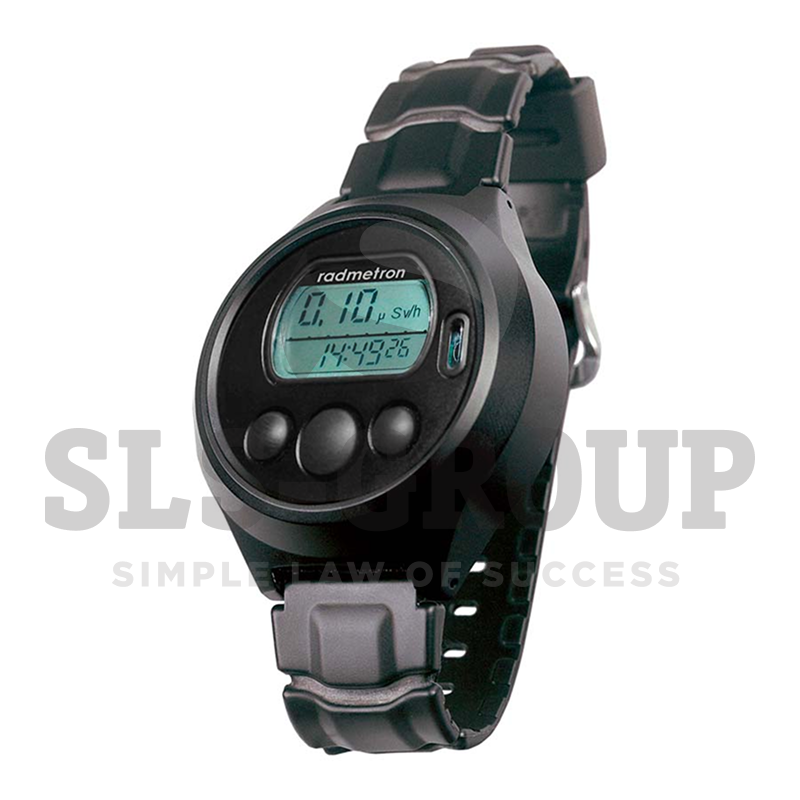
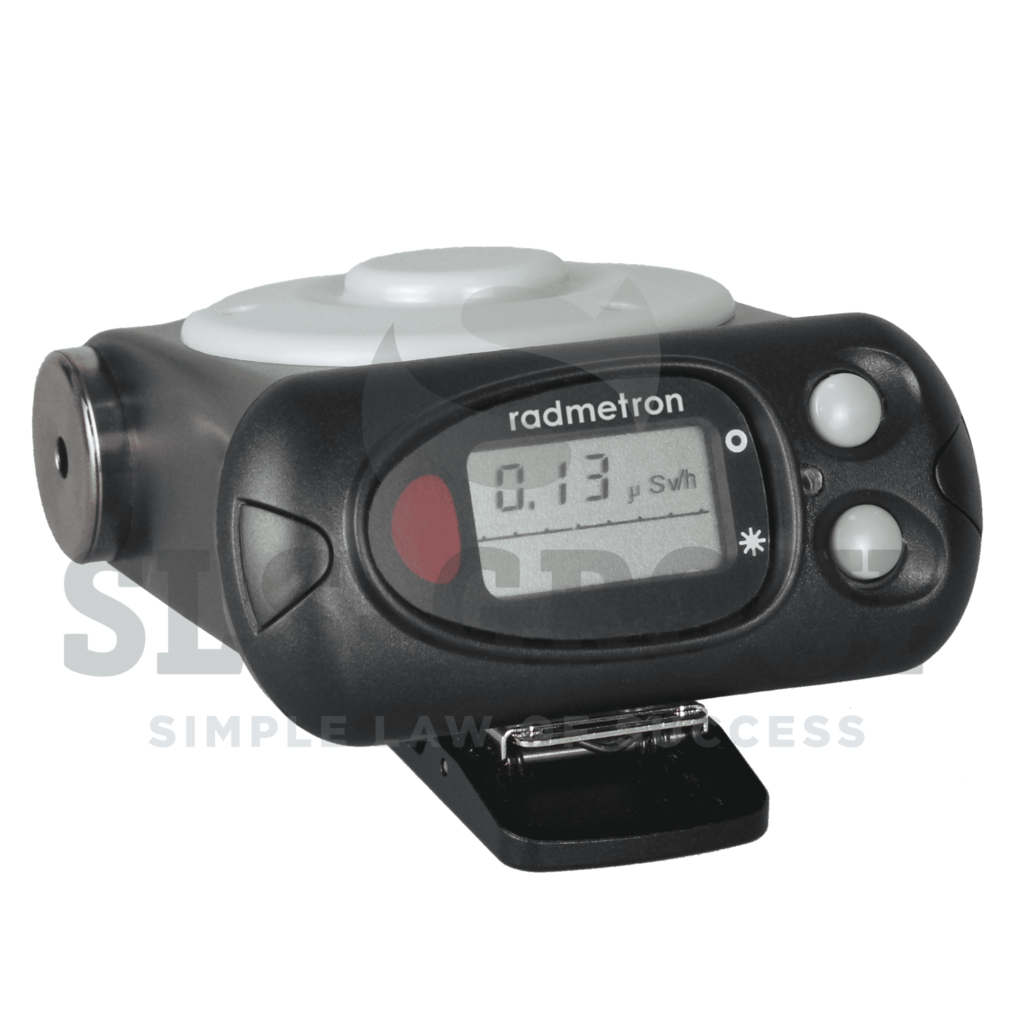
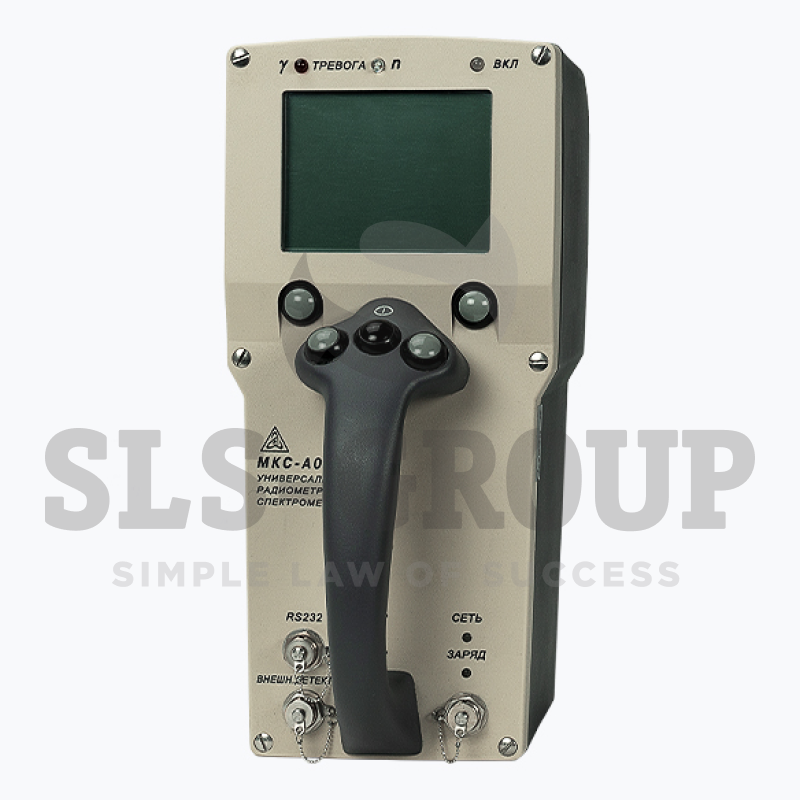
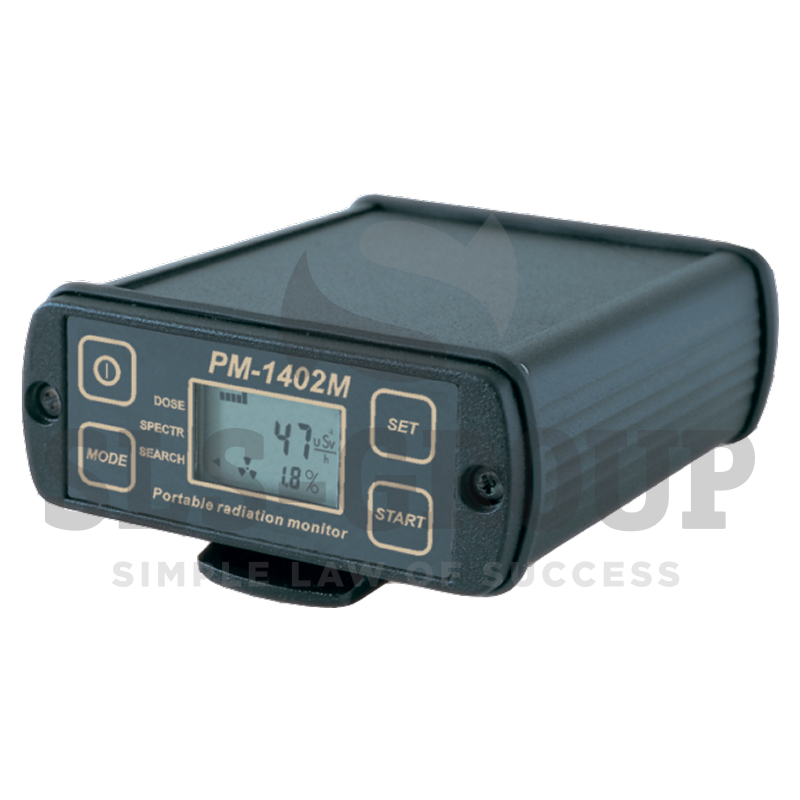
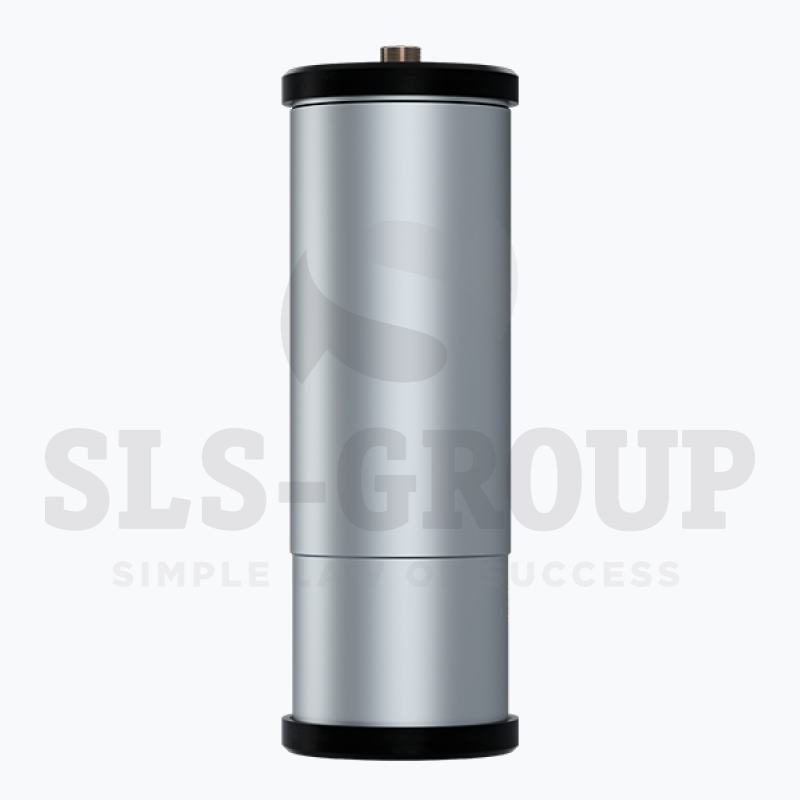
Dosimetersindicators, type of radiation, radiation power are measured. Units of measurement are microsieverts per hour.Geiger counteris an ionizing radiation sensor that is installed in a dosimeter, and not a separate device. But many people mistakenly believe that it refers to radiometric equipment.
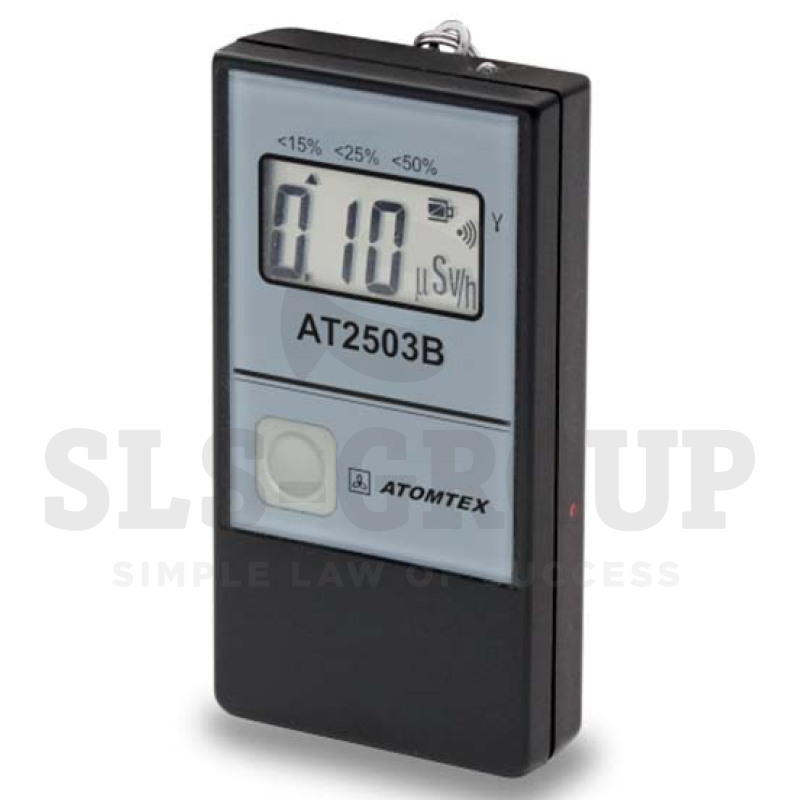
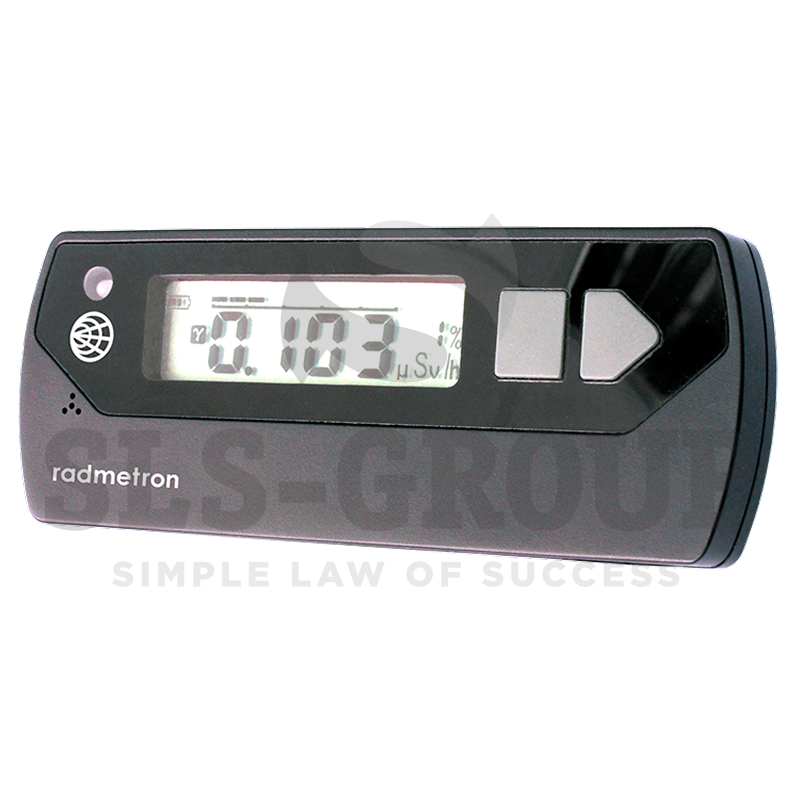
Radiometersassess the degree of nuclide contamination of air, liquids, products, and other environments. The calculation is carried out depending on weight, volume, area. They can be used to determine human radionuclide radiation levels.
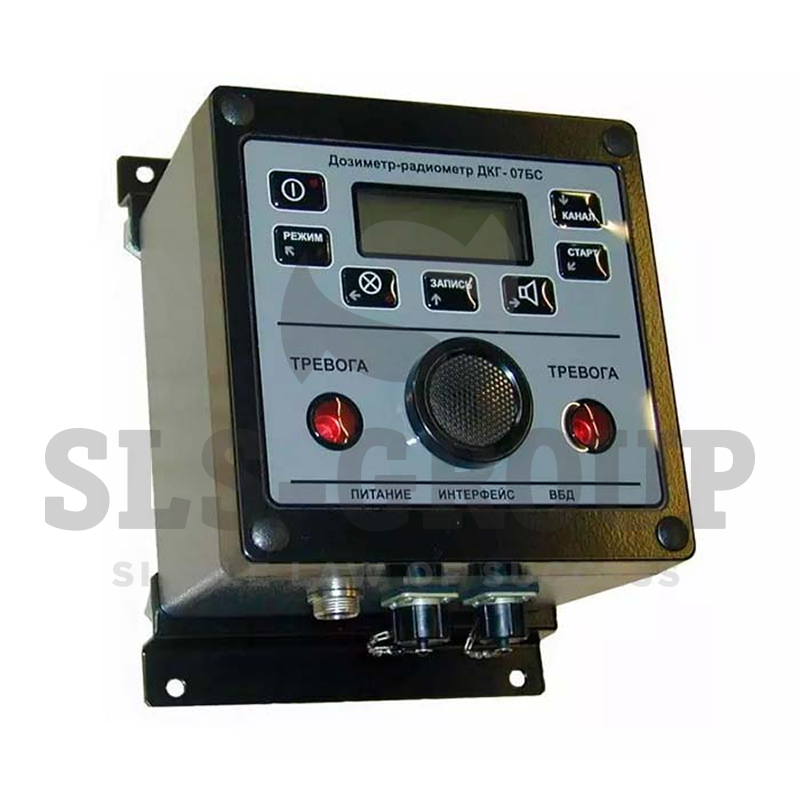
Spectrometersdetermine the energy distributiongamma radiation, measure the power of the ambient equivalent according to characteristics - charge, mass, energy. The X-ray meter measures the dose rate of ionizing radiation in a certain period of time in a selected area.
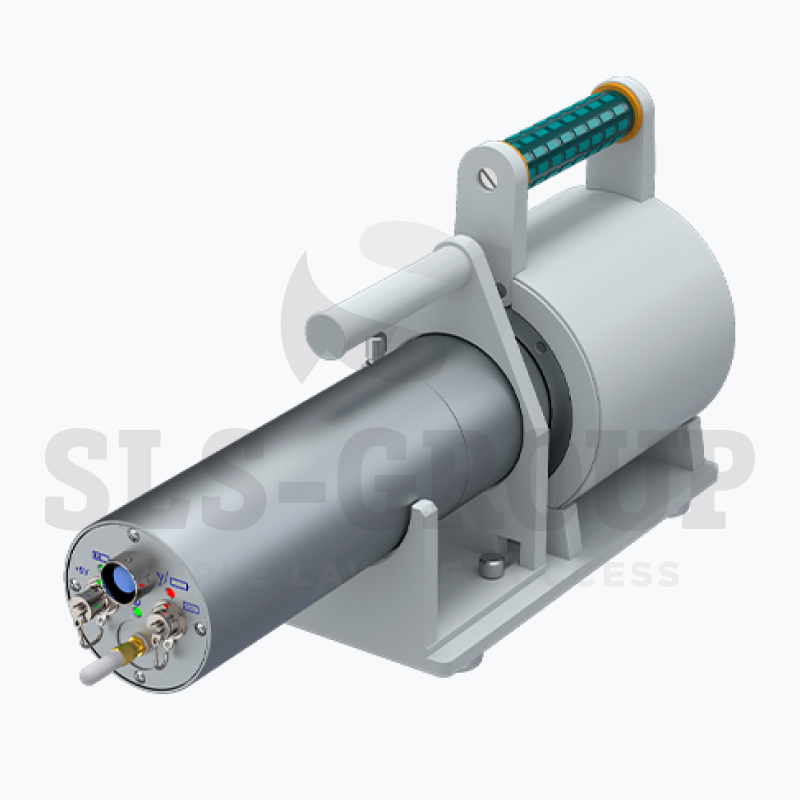
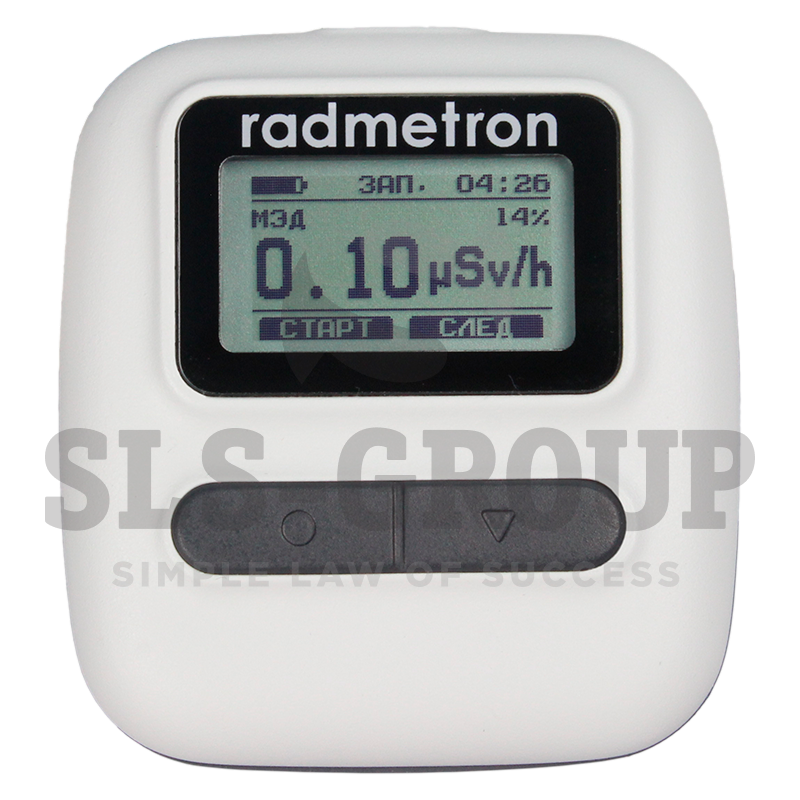
Radiation monitoring equipmentmust meet the standards and technical requirements in accordance with GOST.
What is a dosimeter for?
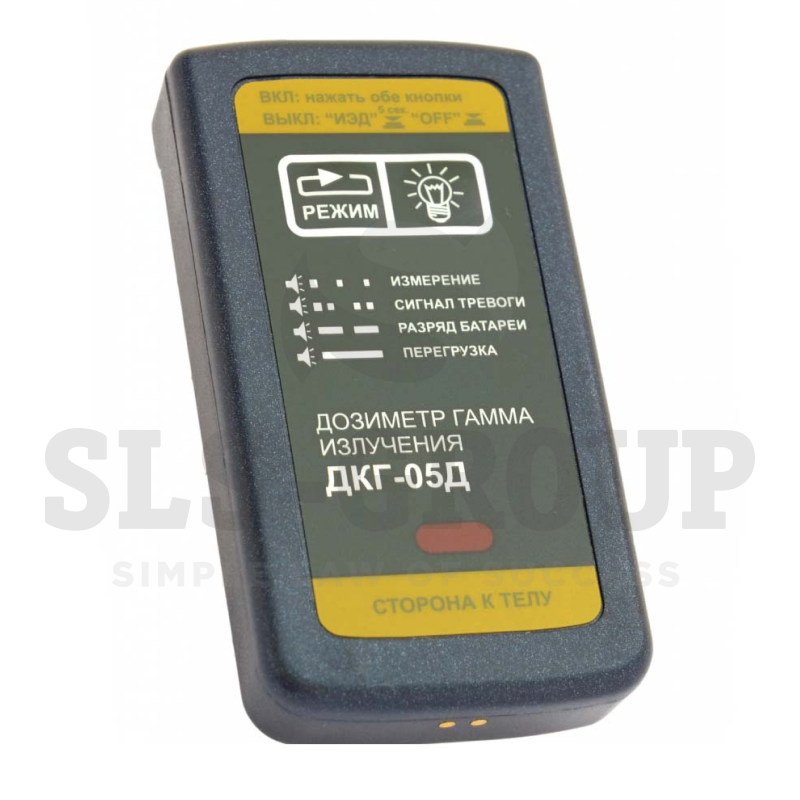
The devices are intended for personal purposes as well as at a professional level. The difference is in price, sensitivity, dosimeter measurement range, technical characteristics, functionality. Which type to choose - household or professional - depends on the purpose of the purchase.
Household devices are not highly sensitive, and the dosimeter range is shorter. They are compact, can easily fit into a pocket, and are affordable.
The device operates in automatic mode, but some models can be configured manually. The analysis is carried out on particles that enter the device from the external environment. Typesindividual dosimetersdo not detect small excesses of radiation; the signal is triggered only at a critical or close to critical level. Household devices cannot determine radiation exposure and the degree of damage to a person.
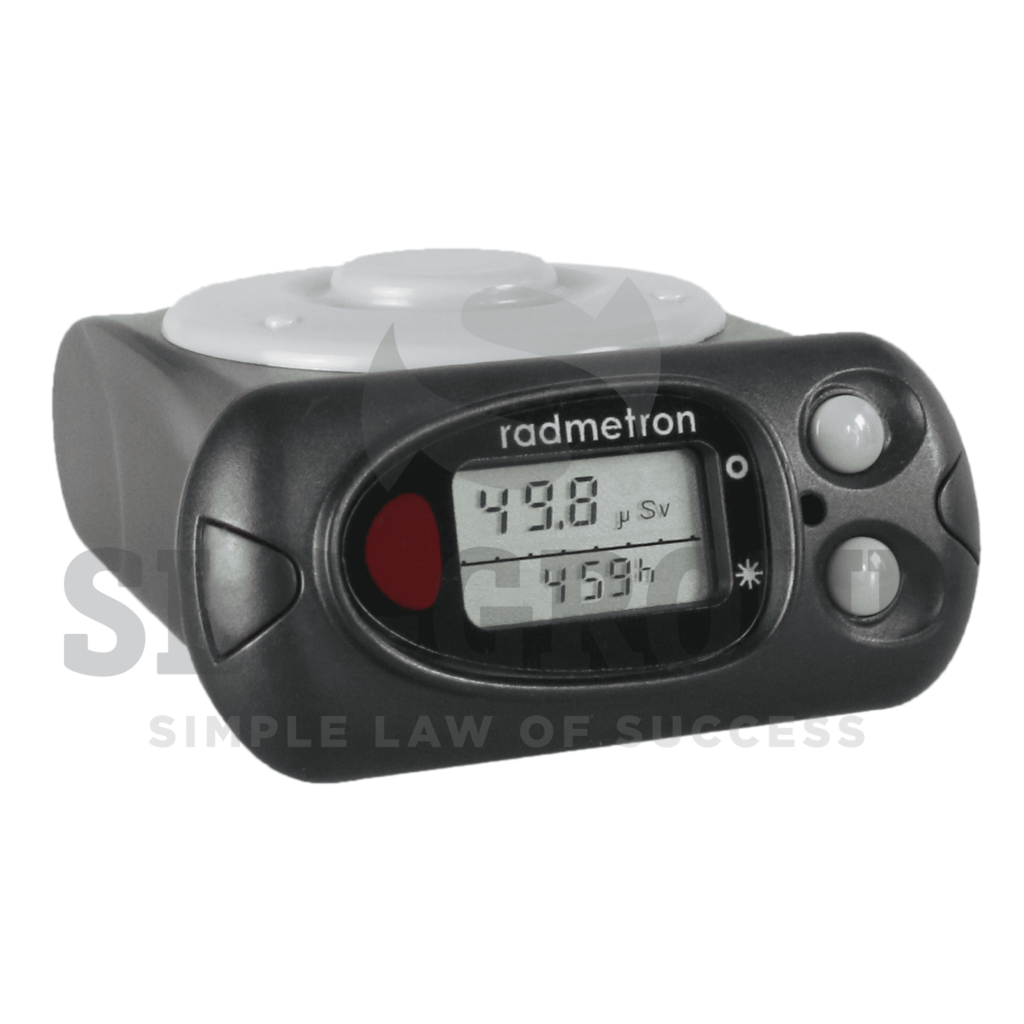
Professional dosimeterscapable of recognizing all types of radiation: alpha, beta, gamma, x-rays. They don’t fit in your pocket, they weigh quite a lot, and their price will be two to three times higher. Often professional instruments combine several functions: spectrometer, radiometer, roentgenometer.
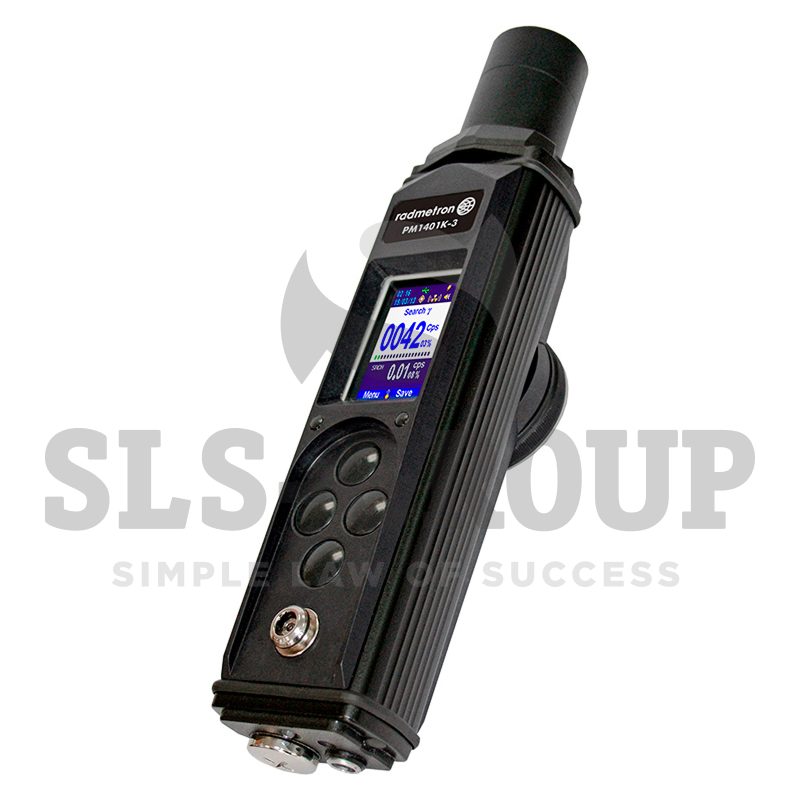
High-precision instruments record the radiation dose, the power of radioactive radiation, the degree of damage, and changes in the environment. They are used by specialists during routine radiation monitoring or in the event of an emergency situation, for example, a reactor accident.
Classification by functionality
Devices are divided into four main groups, depending on what the dosimeter shows:
- indicators;
- signaling devices;
- meters;
- radiometers
Indicators are devices whose task is to determine the presence of radioactive particles in the environment or at an object. If the level is exceeded, the light or sound indicators of the dosimeter are activated. Inexpensive devices are used to identify infected objects. Sensitivity is low, accuracy is low. It is worth buying a beta dosimeter or indicator if you just need a device that will show the presence of increased background radiation.
Signaling devices are similar in principle to indicators, but they also detect fluctuations in radioactive radiation. This type of dosimeter has higher sensitivity and has a function for setting the radiation threshold. If the threshold is exceeded, sound and light indications are triggered. Some models (more expensive) can also serve as meters, but their sensitivity and analysis range remain low. If you want to visit an area where there is a risk of radiation exposure, buy a warning device. It will notify you if you find yourself in a danger zone.
Meters show the level, dose, power of radioactive radiation from objects and the environment. These are high-precision devices that instantly perform analysis. Their cost is higher than other types of equipment. If you need to measure radiation levels on objects, buildings, jewelry, money, or other objects, order a meter.
Radiometers– search devices that quickly respond to changes in background radiation. The measurement accuracy is lower than that of meters, most often used to identify sources of radioactive contamination. The device is needed when searching for anomalous areas, radioactive objects or ore minerals.
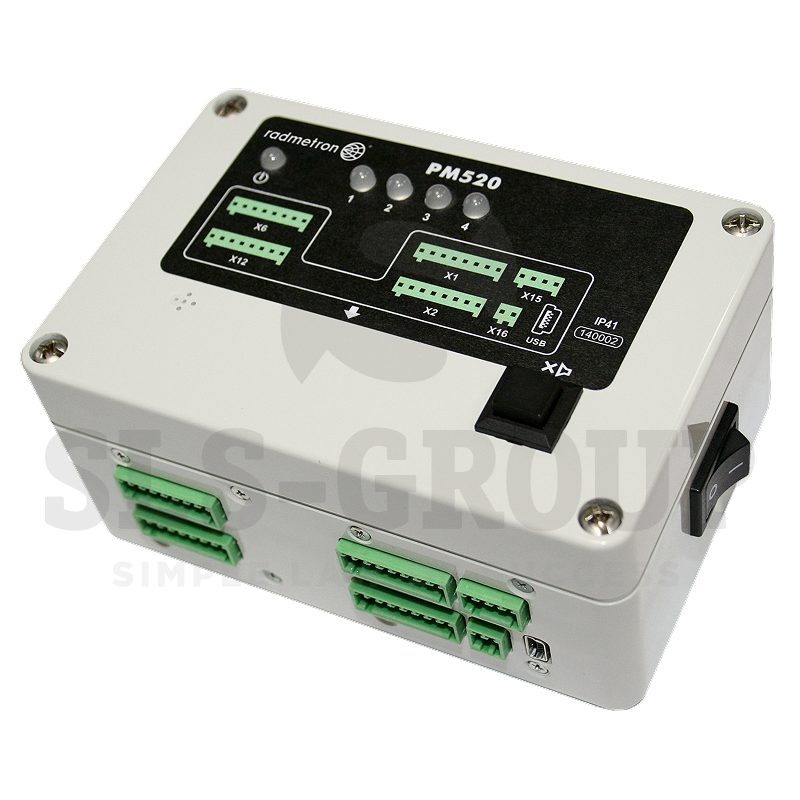
Radiation sensors and their types
The sensitivity and accuracy of the device depends on the installed sensor. The speed of data processing, error, and radioactivity of the dosimeter depends on its quality.
By design, radiation sensors can be:
- cylindrical;
- end
The sensor may be designed to measure a specific type of particle (alpha, betaorgamma) orall types of radioactive radiation at once. The cylindrical sensor is installed in simple devices that detect only a certain type of radioactive particles. End sensors have a much wider reception spectrum.
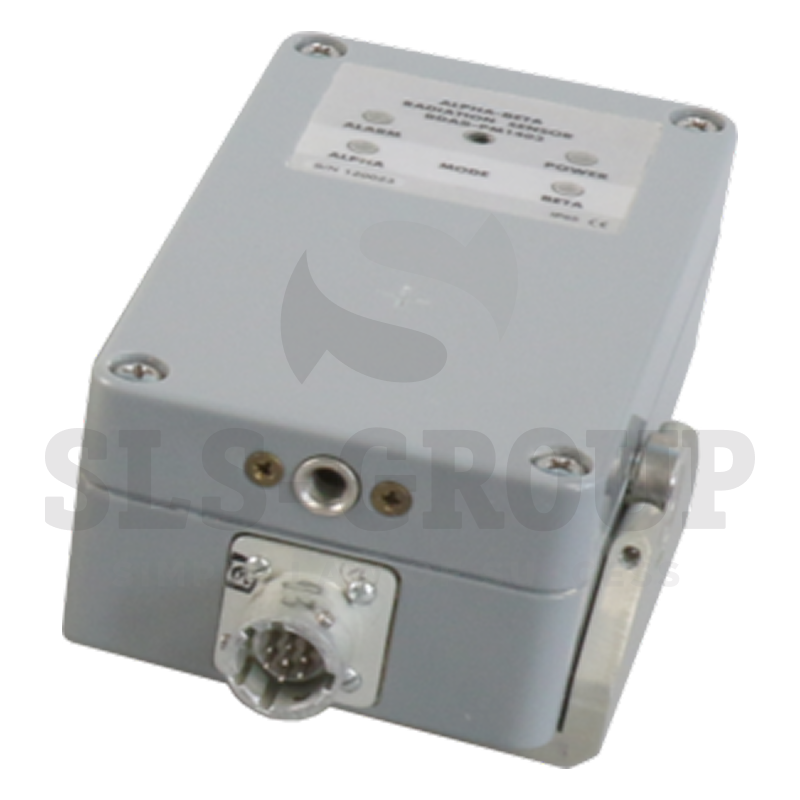
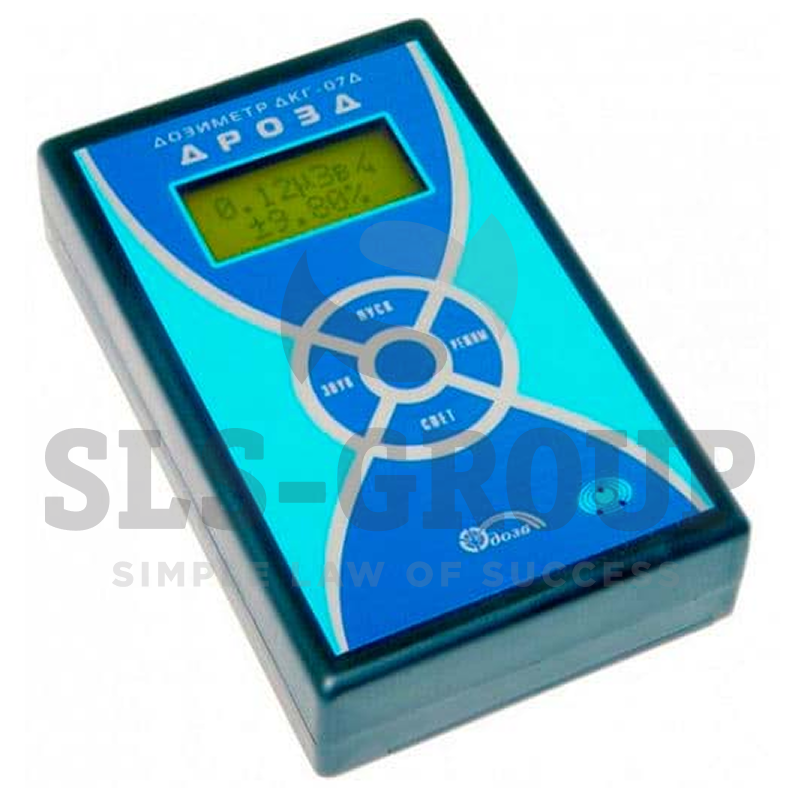
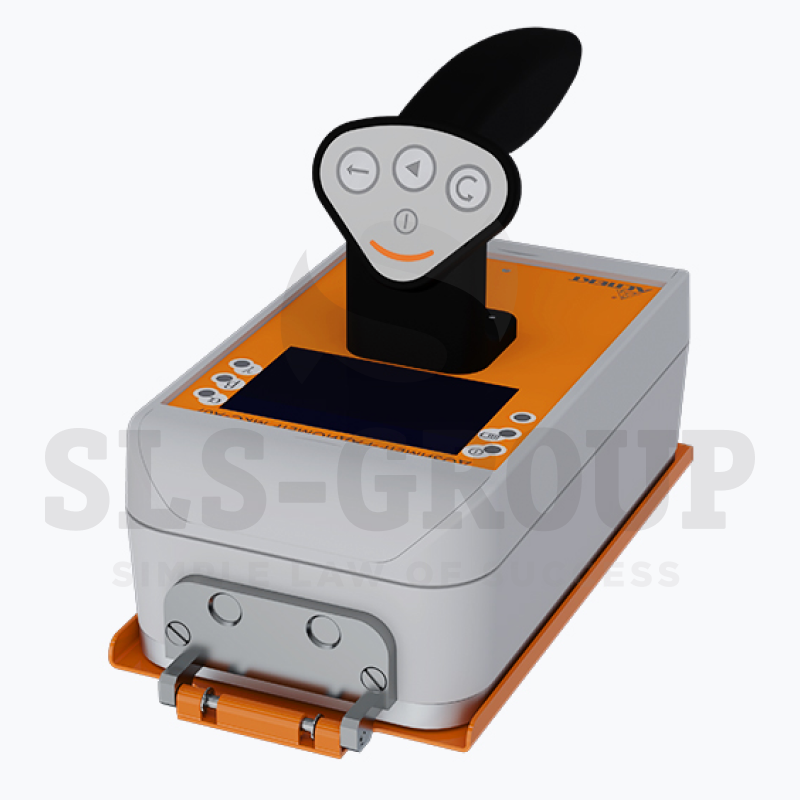
Modern dosimeters alpha, gamma, beta are used for:
- checking the degree of pollution of the environment, objects, premises;
- measuring the radioactivity of products;
- analysis of the external gamma background level.
Choice
Before purchasing, you need to define your goals and objectives. You must immediately request a quality certificate from the seller, since all dosimetric devices must meet GOST standards, which is necessarily reflected in the document. The device must include printed instructions in Russian.
Devices must undergo mandatory inspection and testing at the manufacturer's plant; data on the verification of dosimeters and radiometers must also be reflected in the document.
When choosing a device, you need to pay attention to the following properties:
- ease of use;
- simplicity, clarity;
- sensor efficiency
- dosimeter error;
- functional
You should choose a device according to your goals and assigned tasks. If you just need to measure the background on the ground so as not to get into the danger zone, you can buy a signaling device. For a more detailed and accurate check of items, you will need a meter.
Pay attention to how the device is charged, as well as battery life. Especially if you plan to take beta and gamma radiation dosimeters with you when traveling to anomalous zones. Many devices work thanks to a built-in lithium-ion battery, but this is inconvenient when walking long distances if there is no power source nearby. When traveling, it is better to use devices that operate on simple AA batteries, so that you can easily replace a dead battery, rather than looking for an electrical outlet to recharge.
Having a small screen will be a plus. On the screen is the dosimeter value, as well as the type of particles detected. If you need detailed analysis on the ground, this function is indispensable. The screen should be monochrome so that it is convenient to read measurements even in bright sunshine. To see the dosimeter measurements in the dark, the screen is backlit.